1. Home ›
  2. Resources ›
  3. Eligibility

Eligibility Articles

In-depth resources for treatment center operators navigating Eligibility. Learn the strategies, tools, and best practices.
Showing 28 Posts
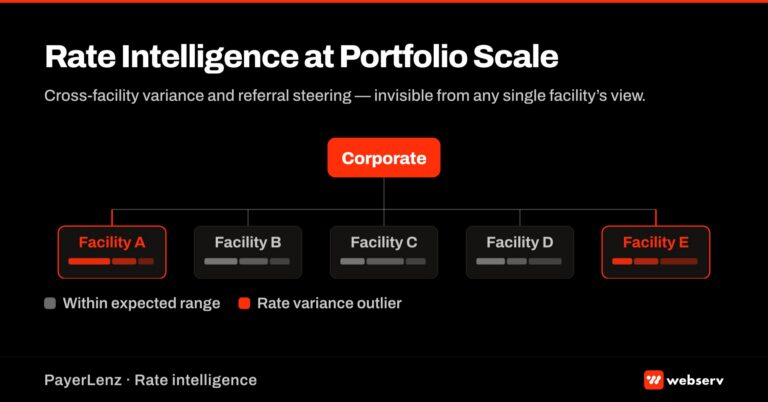
Portfolio operator rate intelligence featured image — corporate hub connected to five facility nodes with payer mix badges and outlier variance highlighted in red

Rate Intelligence for Multi-Facility Behavioral Health Operators

Preston Powell

17 Aug 2026

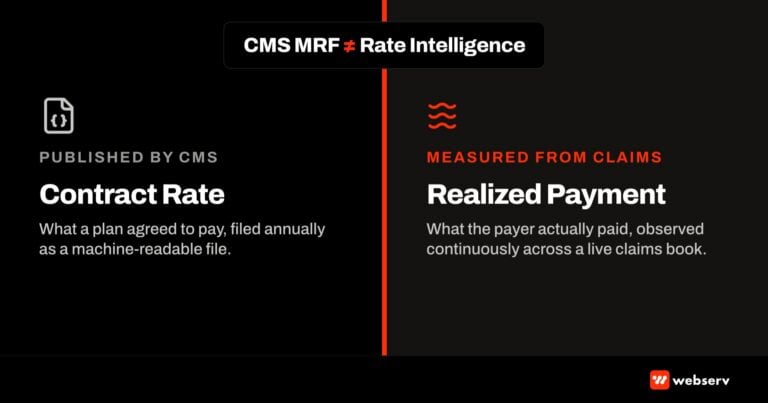
CMS machine-readable files versus rate intelligence featured image — contract rate on left, realized payment on right, separated by red divider

CMS Machine-Readable Files vs. Rate Intelligence

Kyle McHenry

20 Aug 2026

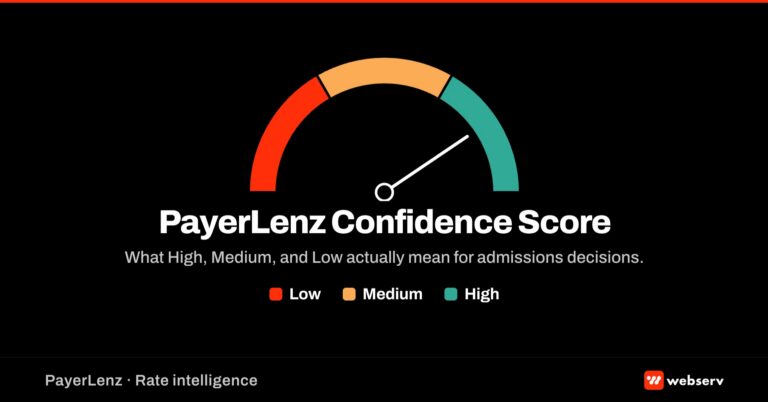
PayerLenz confidence score featured image — three-zone gauge showing high (green), medium (yellow), and low (red) confidence tiers

How to Read a PayerLenz Confidence Score

Kyle McHenry

19 Aug 2026

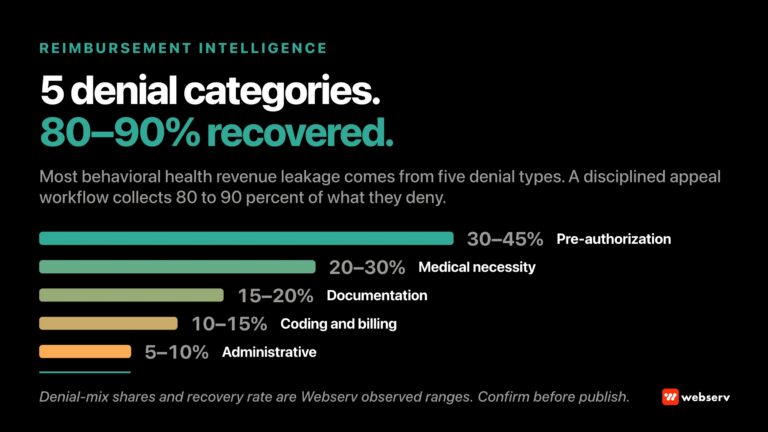
Reimbursement intelligence for behavioral health treatment centers covering the five most-frequent denial categories, the four-workstream prevention framework, and the six-step appeal workflow that recovers 55 to 65 percent of clean-cause denials.

Denial Management for Behavioral Health Treatment Centers: The Playbook

Kyle McHenry

21 Sep 2026

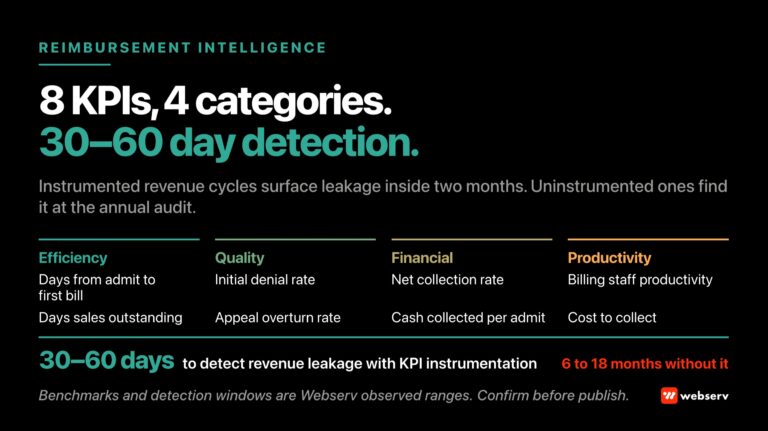
Reimbursement intelligence for behavioral health treatment centers showing the eight revenue cycle KPIs mapped to four operational categories, with benchmark values, measurement cadence, and payer-mix and level-of-care segmentation for accurate operator diagnosis.

Revenue Cycle KPIs for Treatment Centers: The Metrics That Matter

Kyle McHenry

24 Sep 2026

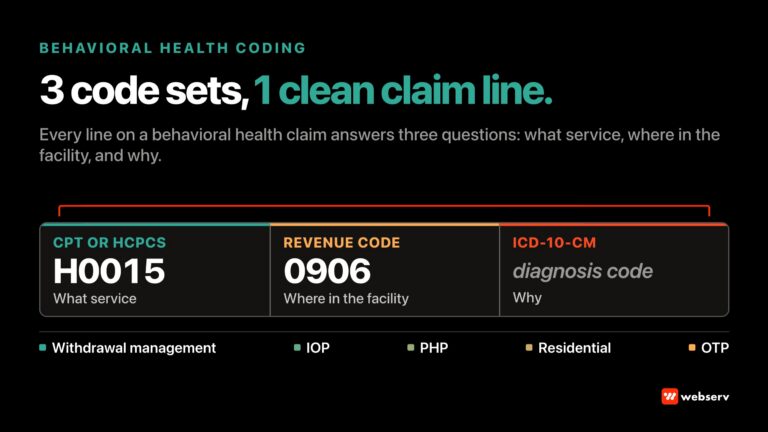
Behavioral health coding diagram showing the three code sets on one claim line (a CPT or HCPCS code for the service, a revenue code for where it happened, and an ICD-10-CM code for why) above a level-of-care strip covering withdrawal management, IOP, PHP, residential, and OTP.

Understanding CPT and HCPCS Codes for Behavioral Health Services

Kyle McHenry

28 Sep 2026

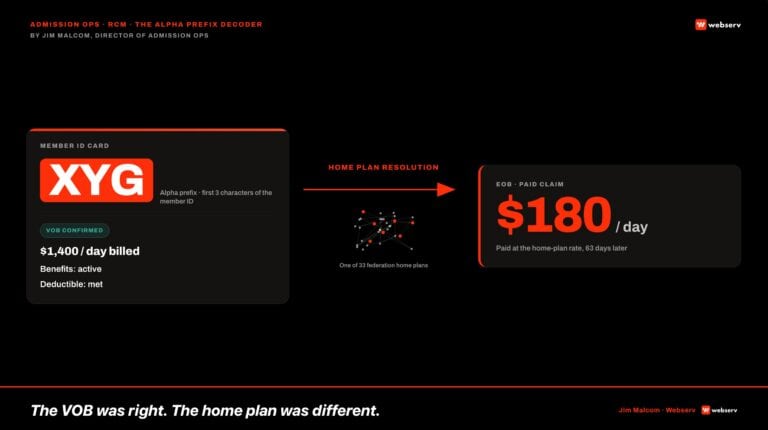
the alpha prefix decoder

The Alpha Prefix Decoder: How BCBS Home Plan Sets Your Rate

Jim Malcom

22 Jul 2026

what they actually pay

Out-of-Network Reimbursement Math for Treatment Centers

Jim Malcom

28 Jul 2026

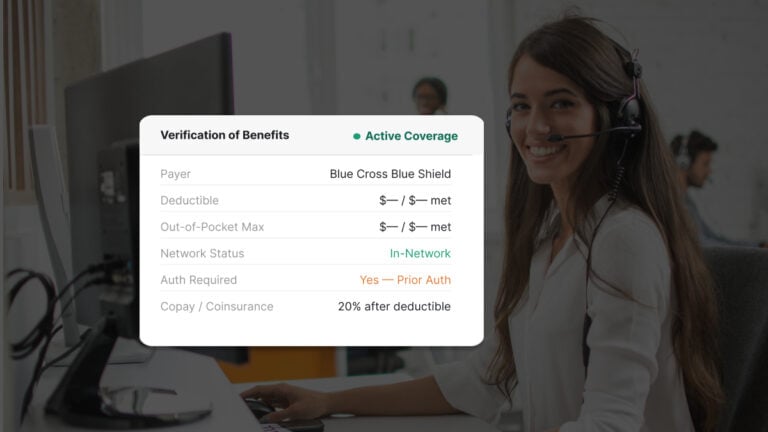
What Is Insurance Verification (VOB) and How Does It Work for Treatment Centers

What Is Insurance Verification (VOB) and How Does It Work for Treatment Centers?

Kyle McHenry

5 May 2026

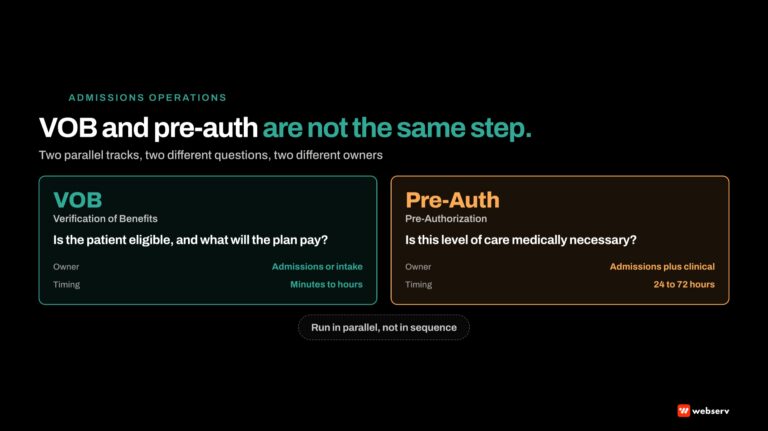
Verification of benefits and pre-authorization are not the same step in behavioral health treatment center admissions. Each answers a different payer question and runs on a different clock.

Verification of Benefits vs Pre-Authorization: What Admissions Teams Need to Know

Kyle McHenry

11 Sep 2026

The four-hour standard between family inquiry and admissions coordinator answer for behavioral health treatment center eligibility verification.

The Pre-Admission Eligibility Verification Playbook for Behavioral Health Treatment Centers

Kyle McHenry

8 Sep 2026

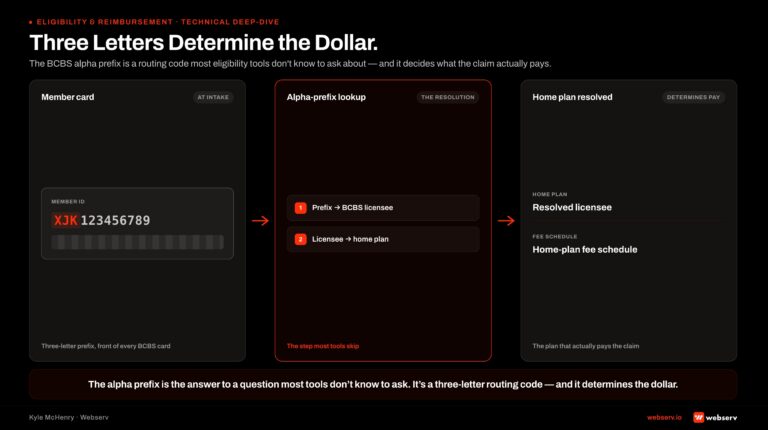
BCBS alpha prefix and home plan resolution hero showing the three-panel resolution chain. Left panel shows a stylized non-branded insurance card with the alpha prefix highlighted (example XJK123456789). Middle panel shows a pipeline arrow representing alpha prefix lookup that identifies the BCBS licensee. Right panel shows the resolved home plan name with the fee schedule and reimbursement pattern that actually pays the claim. Center callout explains the alpha prefix is a three-letter routing code that determines the reimbursement dollar.

Alpha Prefix and BCBS Home Plan Resolution Explained

Kyle McHenry

5 Aug 2026

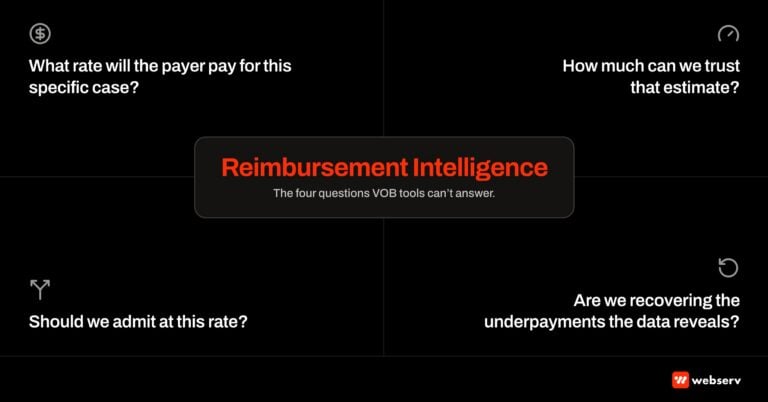
Reimbursement Intelligence: the four questions VOB tools cannot answer. Featured image for the Webserv complete guide.

The Complete Guide to Reimbursement Intelligence for Behavioral Health Treatment Centers

Preston Powell

14 Aug 2026

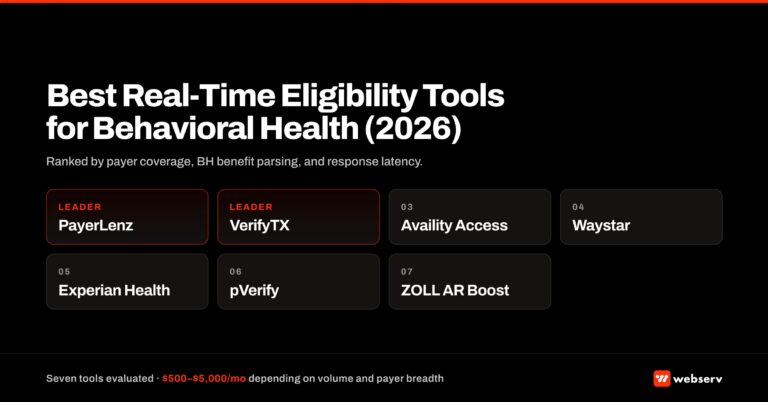
Best Real-Time Eligibility Tools for Behavioral Health 2026: ranked grid preview of the seven tools evaluated for BH admissions teams. Featured image for the Jim Malcom buyers guide, with cost banner $500-$5,000 per month.

Best Real-Time Eligibility Tools for Behavioral Health Treatment Centers (2026)

Jim Malcom

13 Aug 2026

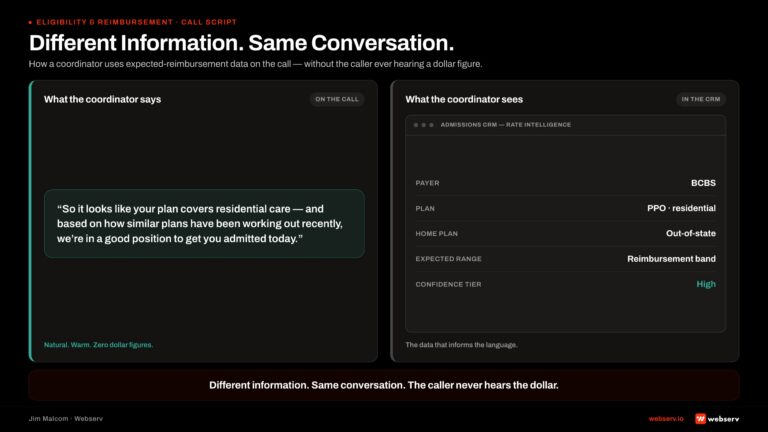
Rate intelligence in admissions call script hero showing what the coordinator says versus what the coordinator sees. Left panel shows a stylized call bubble with a natural-sounding script fragment about plan coverage and admit position. Right panel shows a stylized CRM screen with the underlying rate intelligence data (payer, plan, home plan, expected reimbursement range, confidence tier). Center callout notes different information and same conversation. The caller never hears the dollar figure.

How to Add Rate Intelligence to Your Admissions Call Script

Jim Malcom

10 Aug 2026

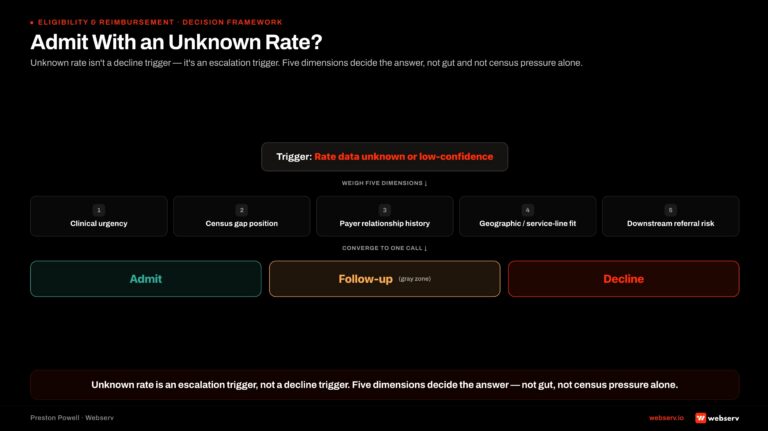
Admit-with-unknown-rate decision framework hero showing a five-branch decision tree. Center trigger question asks whether to admit when rate data is unknown or low-confidence. Five branches fan out representing the five dimensions of the decision (clinical urgency, census gap position, payer relationship history, geographic and service-line strategic fit, downstream referral risk). Branches converge to three outcomes: admit, follow-up in the gray zone, or decline.

Should You Admit a Patient with Unknown Rate?

Preston Powell

7 Aug 2026

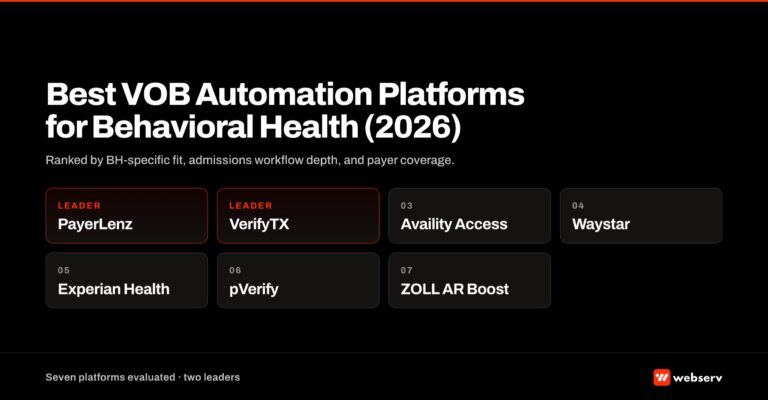
Best VOB Automation Platforms for Behavioral Health 2026: ranked grid preview of the seven platforms Webserv evaluated for BH admissions teams, with PayerLenz and VerifyTX marked as leaders. Featured image for the Jim Malcom buyers guide.

Best VOB Automation Platforms for Behavioral Health Treatment Centers (2026)

Jim Malcom

6 Aug 2026

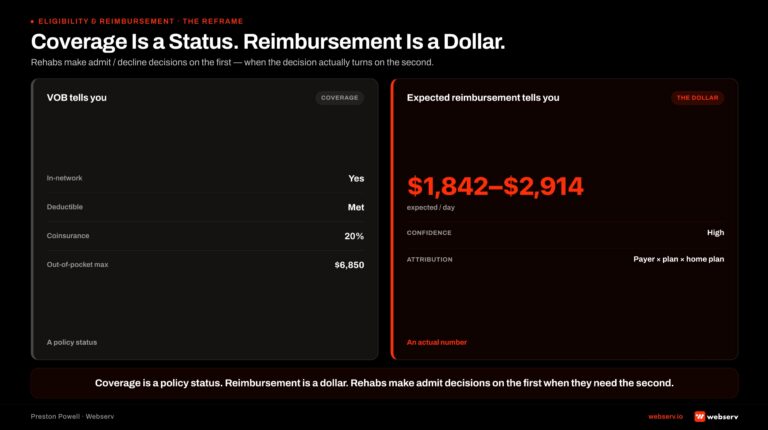
VOB versus expected reimbursement hero comparing two categories of admissions financial data. Left panel shows a typical verification of benefits output (in-network status, deductible amount met or unmet, coinsurance percentage, out-of-pocket maximum). Right panel shows an expected reimbursement output (dollar range with confidence interval and payer plan attribution). Center callout distinguishes coverage as a policy status from reimbursement as a dollar amount, noting that rehabs make admit decisions on the first when they need the second.

VOB vs. Expected Reimbursement: The Rehab Operator Reframe

Preston Powell

6 Aug 2026

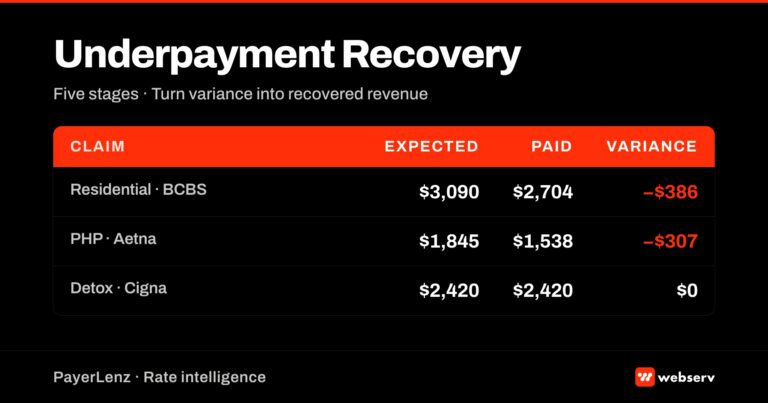
Underpayment recovery workflow featured image — expected vs paid columns with variance gap highlighted in red

The Underpayment Recovery Workflow

Kyle McHenry

21 Aug 2026

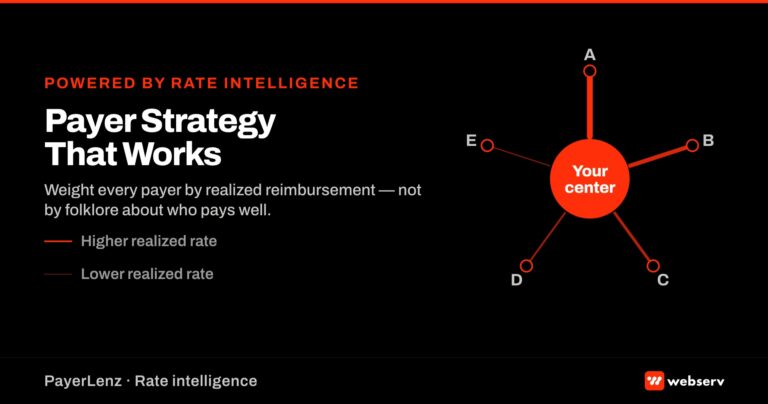
Payer strategy featured image — treatment center center with five payer spokes at varying strengths showing rate intelligence-powered payer weighting

How to Build a Behavioral Health Payer Strategy Using Rate Intelligence

Preston Powell

18 Aug 2026

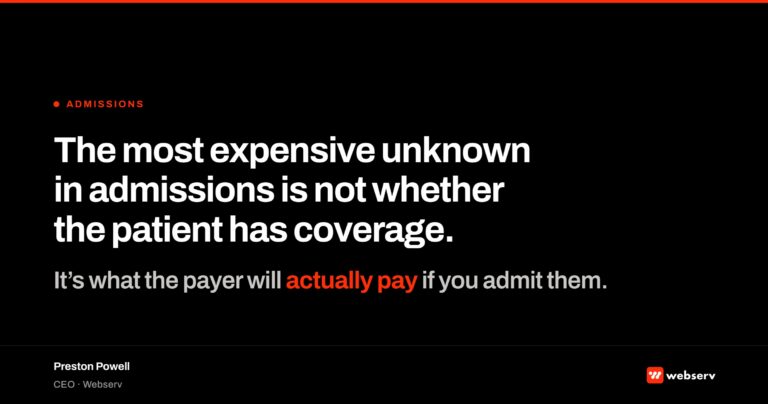
The most expensive unknown in admissions is not whether the patient has coverage — it is what the payer will actually pay if you admit them. Featured image for the Preston Powell op-ed on Webserv.

The Most Expensive Unknown in Admissions

Preston Powell

14 Aug 2026

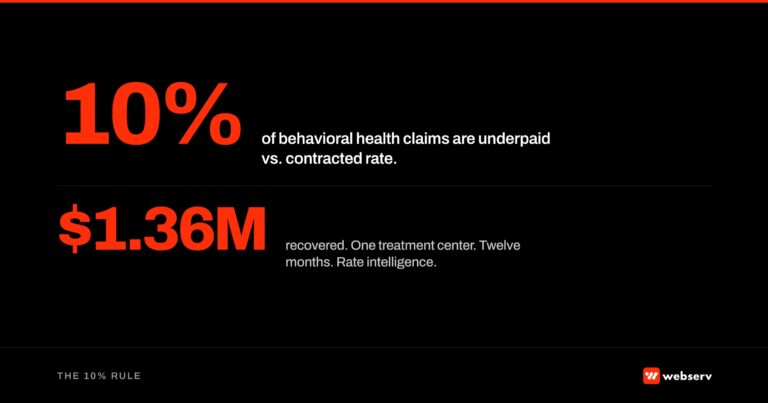
The 10% Rule stat card: 10% of behavioral health claims are underpaid vs contracted rate, and $1.36M was recovered across a single treatment center in twelve months with rate intelligence. Featured image for the Preston Powell op-ed on Webserv.

The 10% Rule: How Reimbursement Intelligence Turned $1.36M in Missed Payments Into Recovered Revenue

Preston Powell

13 Aug 2026

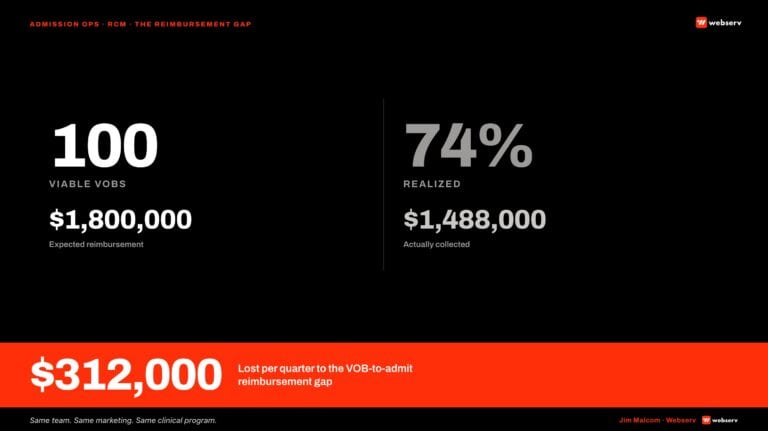
the reimbursement gap

The Reimbursement Gap Between VOB and Admit

Jim Malcom

21 Jul 2026

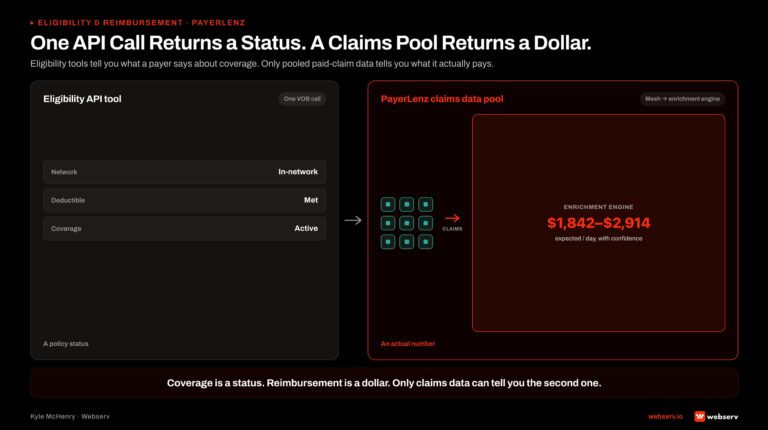
PayerLenz claims data pool network-effect hero comparing two approaches to admissions financial data. Left panel shows a single eligibility API call returning coverage status (in-network, out-of-network, deductible met). Right panel shows a mesh of contributing treatment centers feeding claims data into a central enrichment engine that returns expected reimbursement in dollar amounts. Center callout distinguishes coverage status from actual reimbursement dollars.

How the PayerLenz Claims Data Pool Works: The Network Effect

Kyle McHenry

4 Aug 2026

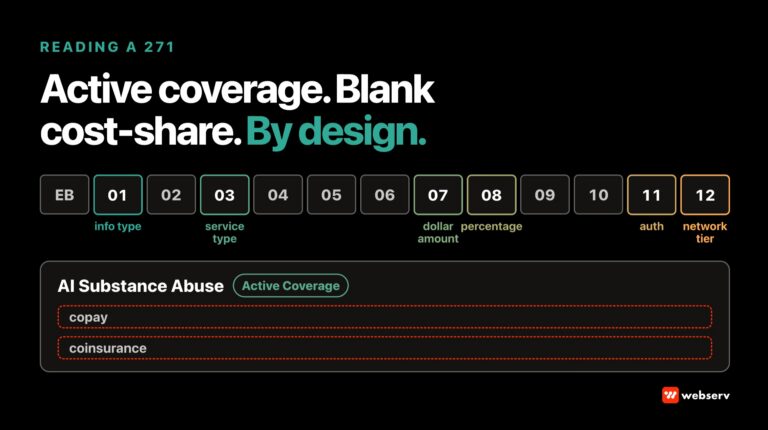
How to read a 271 eligibility response for behavioral health: the EB segment elements that carry benefit detail, and a response showing active coverage for substance abuse with blank copay and coinsurance, which CORE rules leave to payer discretion.

How to Read a 271 Eligibility Response for Behavioral Health Coverage

Kyle McHenry

6 Oct 2026

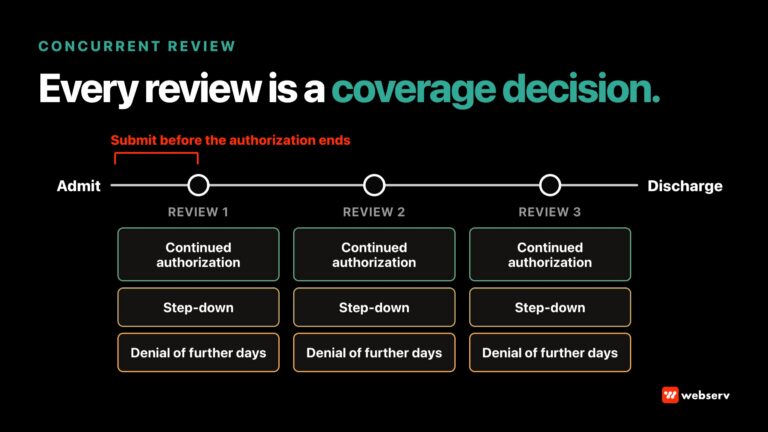
Concurrent review for treatment centers: a stay timeline with review checkpoints, each leading to continued authorization, a step-down, or a denial, and a marker showing the review must be submitted before the current authorization ends.

Concurrent Review and Continued Stay Denials: How to Reduce Them

Kyle McHenry

8 Oct 2026

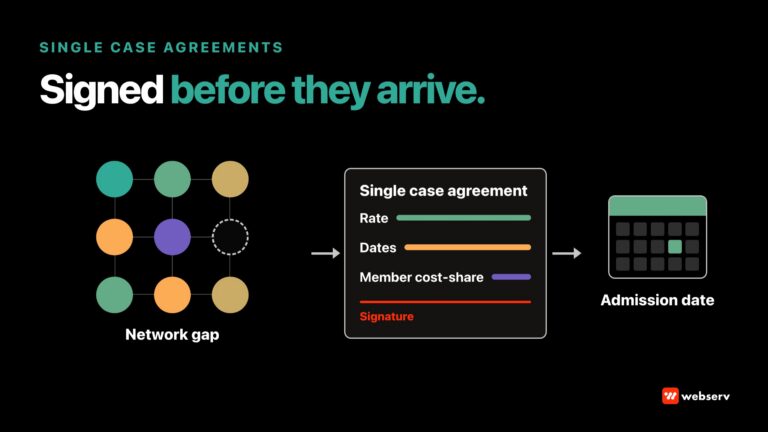
Single case agreements for out-of-network treatment centers: a payer network gap leads to a one-patient agreement setting the rate, covered dates, and member cost-share, signed before the admission date.

Single Case Agreements Before Admission: A Guide for Out-of-Network Treatment Centers

Kyle McHenry

12 Oct 2026

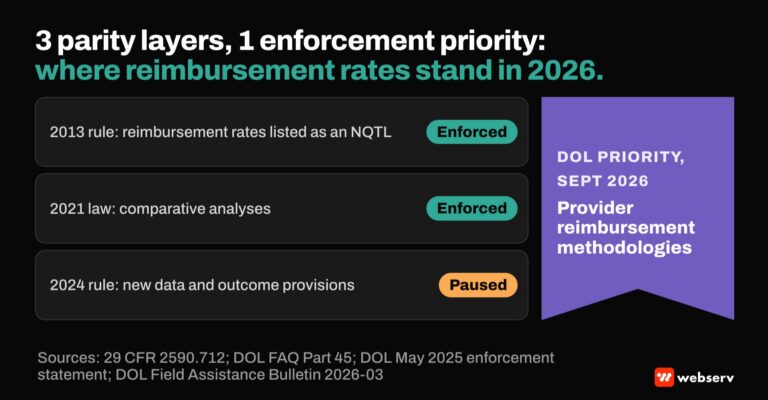
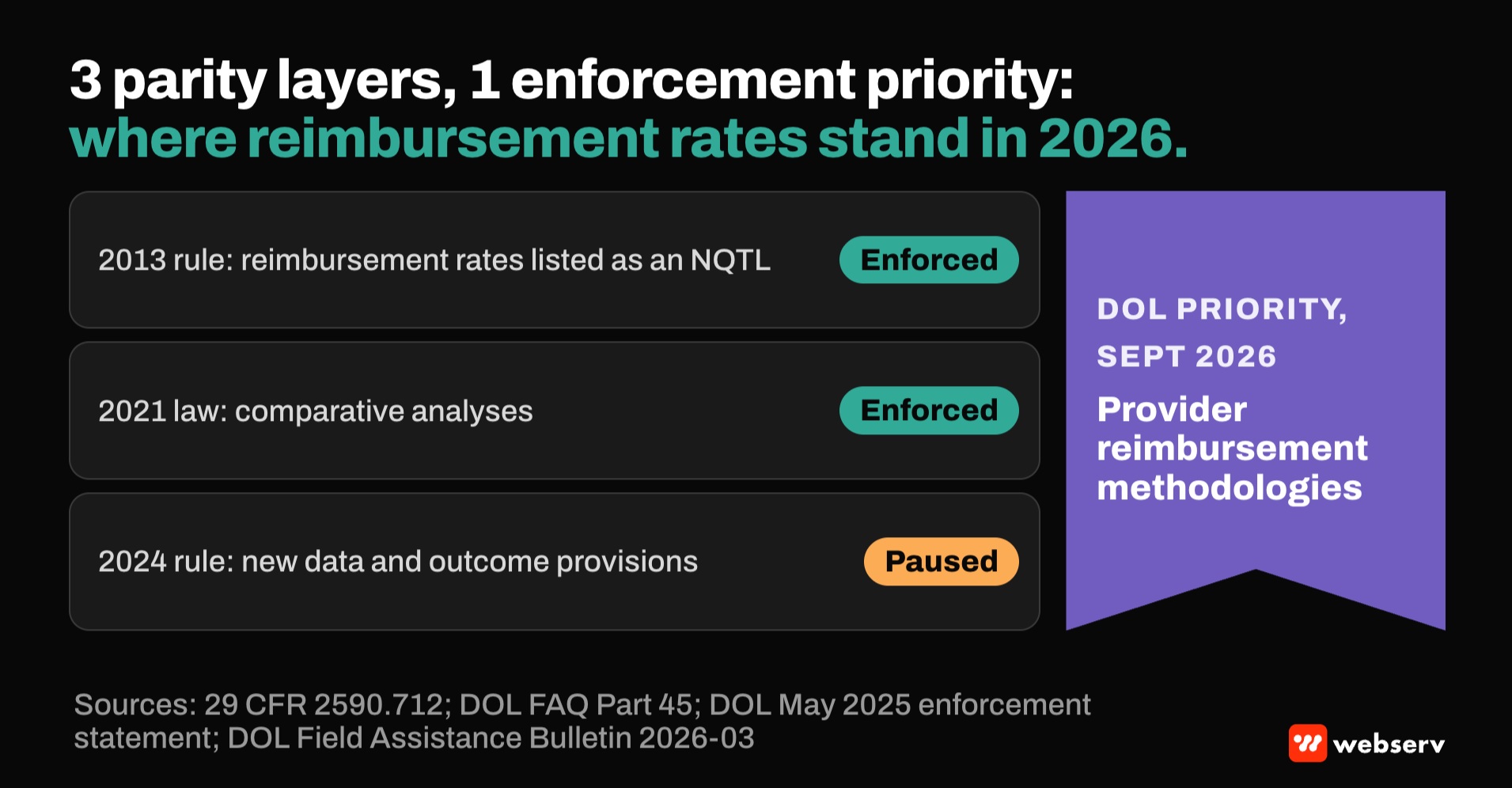
Featured graphic titled 3 parity layers, 1 enforcement priority, where reimbursement rates stand in 2026. The 2013 rule and 2021 comparative analyses are enforced, the 2024 rule's new provisions are paused, and DOL named provider reimbursement methodologies a priority in September 2026.

Mental Health Parity and Reimbursement Rates: What Federal Enforcement Covers in 2026

Kyle McHenry

15 Oct 2026

Ready to Grow?

Meet the team behind these industry insights.

30-minute strategy session to discuss your census goals, current challenges, and how we can help you scale admissions sustainably.

Trusted by 200+ Treatment centers nationwide
Featured graphic titled 3 parity layers, 1 enforcement priority, where reimbursement rates stand in 2026. The 2013 rule and 2021 comparative analyses are enforced, the 2024 rule's new provisions are paused, and DOL named provider reimbursement methodologies a priority in September 2026.