Google Ads for addiction treatment is a different sport than Google Ads for almost anything else. LegitScript certification gates the auction. Healthcare & Medicines policy strips out retargeting.
On Meta, the personal attributes policy bars copy that implies a viewer has a condition, which rules out most of the direct-response language agencies are used to writing.
And the conversion that matters at a residential or detox facility is the verified policy on the back of that form fill, not the form fill itself. The full pattern for closing that loop is in our verification of benefits explainer.
Most rehab paid media accounts are not broken because of bad creative. They are broken because the agency is optimizing toward leads instead of toward private-policy VOBs.
Mitch Marowitz, Director of Paid Admissions, Webserv
One disclosure before the list: Webserv wrote this list, and we put ourselves at #1. We do this work, so read it as our view of the market, not a neutral review. The criteria below are the ones we applied to every agency, including us, so you can re-rank by what matters to your facility.
Key Takeaways
- Google Ads for addiction treatment runs under stricter rules than almost any other vertical: LegitScript certification gates the auction, the Healthcare & Medicines policy strips out retargeting, and Meta’s personal attributes policy bars copy that implies a viewer’s condition.
- The conversion that matters at a residential or detox facility is not the form fill — it is the verified policy on the back of it. Out-of-network campaigns optimize against private-policy VOB signals, with weighted conversion values that respect the difference between a $200 form fill and a $5,000 approved VOB.
- Maximize Conversion Value bidding respects weighted conversion values. Max Conversions does not. The single bid strategy difference often separates a 23% private-policy mix from a flat lead pipeline that admissions cannot close.
- In behavioral health, search results begin to diminish past roughly 35% impression share. Pushing budget past that ceiling inflates CPCs without adding viable admits. Geographic expansion beats more spend.
- The 25 agencies on this list all run paid search for addiction treatment specifically. Operator size dictates which tier to shop — a 30-bed OON detox in Orange County and a 12-clinic INN outpatient group in Ohio belong on different shortlists.
That mismatch is why this list exists. Plenty of capable Google Ads agencies will struggle in this vertical even if they were excellent in plumbing or SaaS or dental. The 25 agencies below all run paid search for addiction treatment specifically. For where paid search sits in the full program, see our complete guide to behavioral health marketing.
They are listed in the order we would actually rank them based on industry depth, conversion tracking sophistication, and how well their public materials line up with how the channel works in 2026.
DEFINITION
PPC Management
Pay-per-click management — the discipline of running paid search campaigns end-to-end (keyword research, ad creation, bid management, conversion tracking, reporting). For behavioral health, PPC management requires LegitScript certification, HIPAA-safe tracking, and category-specific compliance review that general PPC agencies frequently miss.
How we ranked these agencies
Four factors:
| Factor | What we looked for |
|---|---|
| 1. Behavioral health depth | Years in the space, number of treatment-center clients, and whether they handle both in-network and out-of-network playbooks. |
| 2. Conversion tracking sophistication | Whether they pass VOB-level data into Google Ads or rely on form fills and call volume. |
| 3. LegitScript and compliance posture | Whether they manage the certification application, the Google Ads policy disputes, and compliant Meta creative under the personal attributes policy. |
| 4. Transparency | Whether benchmarks, case studies, and pricing are documented publicly or hidden behind a discovery call. |
The same operator size does not need the same agency. A 30-bed out-of-network detox in Orange County and a 12-clinic in-network outpatient group in Ohio should be shopping different shortlists. The summary table below maps tiers to use cases.
Quick comparison
| Rank | Agency | Best for | LegitScript | VOB tracking | Min retainer |
|---|---|---|---|---|---|
| 1 | Webserv | OON detox/res, multi-location BH | Yes (full cert) | Yes (default) | $60K OON / $10K INN |
| 2 | Cardinal Digital Marketing | Mid-to-enterprise BH | Yes | Partial | Not published |
| 3 | Ads Up Marketing | BH-only, month-to-month | Yes | Yes | Not published |
| 4 | Behavioral Health Partners | OON single locations | Yes | Yes | Not published |
| 5 | MGMT Digital | Treatment groups w/ ROI focus | Yes | Partial | Not published |
| 6 | Sachs Marketing Group | Mid-market detox/res | Yes (since 2010) | Partial | Not published |
| 7 | Lead to Recovery | Mental health + rehab | Yes | Partial | Not published |
| 8 | Healthcare Success | Broader healthcare | Yes | Partial | Not published |
| 9 | Dreamscape Marketing | Enterprise BH networks | Yes | Yes | Not published |
| 10 | Stodzy Internet Marketing | Smaller programs | Yes | Limited | Not published |
| 11 | Web Logix Group | Regional rehabs (SE) | Yes | Partial | Not published |
| 12 | Bivisee | Single-facility rehabs | Yes | Partial | Not published |
| 13 | Circle Social Inc | Smaller rehabs turnkey | Yes | Limited | Not published |
| 14 | Bloom Consulting | Newer facilities | Yes | Limited | Not published |
| 15 | Treatment Center Agency | All-in-one | Yes | Limited | Not published |
| 16 | ProDigital Healthcare | Healthcare incl. treatment | Yes | Partial | Not published |
| 17 | Fuel Online | National rehabs | Yes | Partial | Not published |
| 18 | WebFX | Enterprise multi-vertical | Yes | Limited (BH) | Not published |
| 19 | Unlock Health | Hospital systems + large BH | Yes | Yes (ent.) | Not published |
| 20 | StubGroup | Google Premier specialist | Yes (process) | Limited | Not published |
| 21 | Active Marketing | Regional programs | Yes | Limited | Not published |
| 22 | Drug Rehab Agency | Smaller programs | Yes | Limited | Not published |
| 23 | ForwardCare | Compliance-first launches | Yes | Limited | Not published |
| 24 | Anytime Digital Marketing | BH PPC generalist | Yes | Limited | Not published |
| 25 | Mental Health Ads | Mental health/therapy only | Yes | Limited | Not published |
The 25
1. Webserv
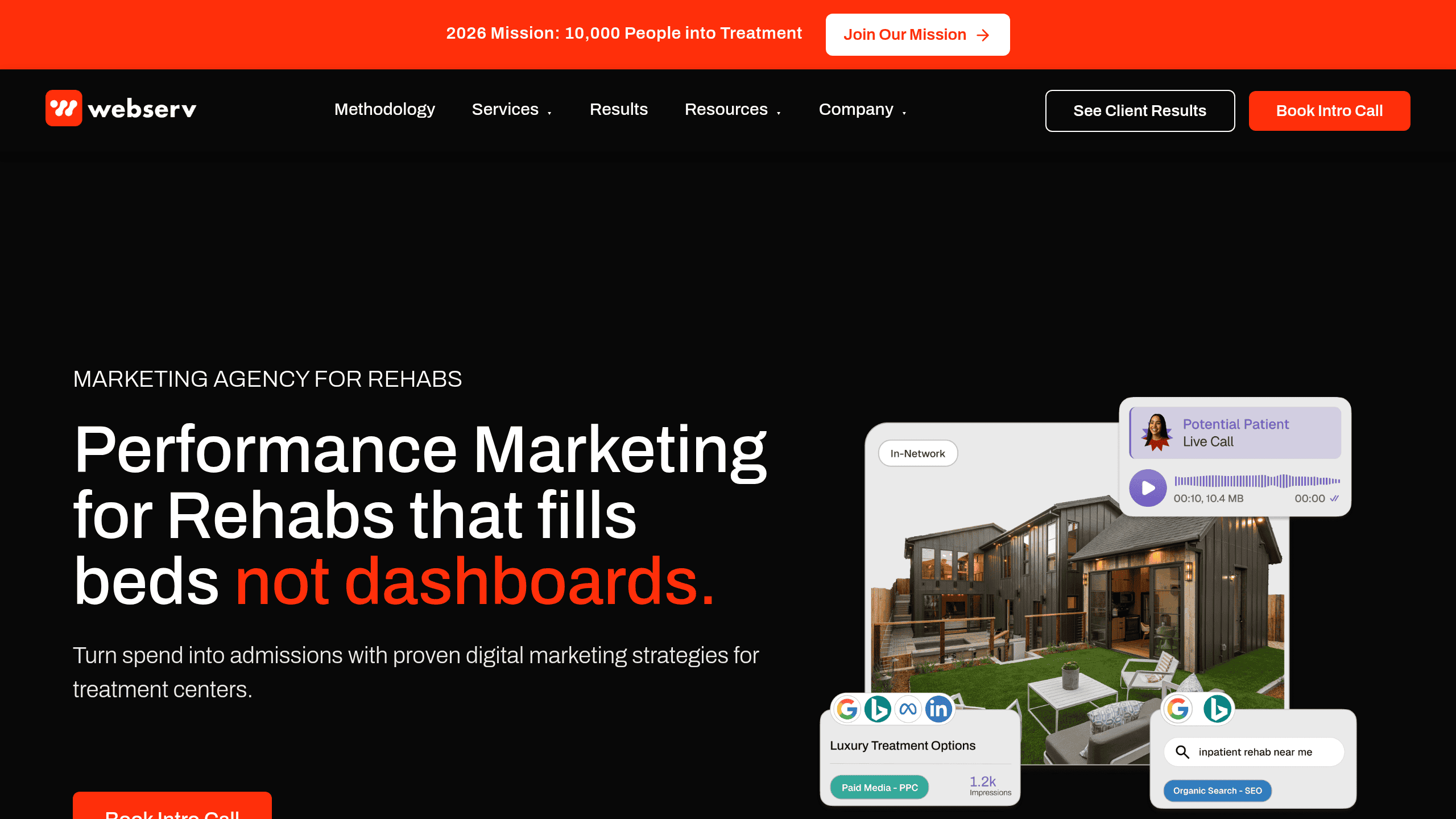 Homepage screenshot of Webserv.
Headquarters: Irvine, CA
Years in behavioral health: ~10
Treatment-center clients managed: 200+
Webserv runs paid search and paid social for treatment centers and behavioral health groups at every level of care. Detox. Residential. PHP. IOP. Outpatient. The agency’s edge is not raw paid media skill.
The edge is that nearly a decade inside this vertical produces benchmark data, account playbooks, and compliance posture that a generalist Google Ads shop cannot replicate inside a single onboarding.
A few things that show up across Webserv accounts and tend to be missing elsewhere:
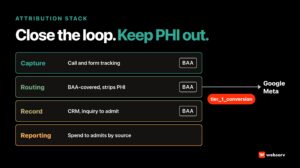
Full-funnel conversion tracking is the default, not the upsell. Out-of-network campaigns optimize against private-policy VOB signals, not initial form fills. The architecture is in our conversion tracking guide for addiction treatment Google Ads.
Weighted conversion values run roughly $200 for a new lead, $2,000 for a VOB on a private policy, and $5,000 for an approved VOB that clears client criteria. Google’s bidding then optimizes toward the policies that actually become revenue.
Maximize Conversion Value bidding is preferred over Max Conversions for accounts with enough volume. Max Conversions ignores the weighting. Maximize Conversion Value respects it. That single bid strategy difference is often what separates a 23% private-policy mix from a flat lead pipeline that admissions can’t close. See Google’s Quality Score documentation for the broader inputs the bidding system reads.
The 35% search impression share ceiling is built into how budgets get sized. Past that threshold, Webserv pushes geographic expansion before more spend. Pouring budget into a saturated search footprint inflates CPCs without adding viable policies. Most agencies do not have the dataset to know where that ceiling sits per market.
Mobile-first or mobile-only campaigns by default. Mobile users searching “detox near me” close at materially higher rates than desktop researchers. National detox campaigns are the exception, not the rule.
The most common mistake we see when auditing inherited accounts is optimization for lead volume instead of policy quality. High-volume, low-cost leads feel productive and flood admissions teams with low-intent contacts. Fewer better leads close more admits.
The pattern shows up at portfolio scale too. Our 3-brand case study walks through the reallocation across a detox, residential, and mental health brand and the 35 percent cost-per-admit reduction that followed on the flagship.
LegitScript certification is handled in-house, including the application and the Google Ads policy disputes that show up after launch. The Healthcare & Medicines policy restrictions, the no-retargeting reality, and Meta’s personal attributes policy are all standard workflow rather than surprises. The structural ad-account discipline behind it is in our guide to structuring ad groups for residential Google Ads and the policy framing is in our compliance mistakes for rehab Google Ads.
Best for: out-of-network detox and residential facilities, in-network multi-location groups, and any operator who wants the paid media account to be honest about what is working and what is not.
Minimum recommended spend: ~$60,000/month for out-of-network detox/residential, ~$10,000/month for local in-network outpatient.
How an inpatient rehab scaled paid media to 95 admits while cutting cost per admission by 24%
Campaign consolidation and PMAX optimization drove 30% admission growth with improved efficiency, all while maintaining OON payer mix.
Read the case study →Q3 2025
2. Cardinal Digital Marketing
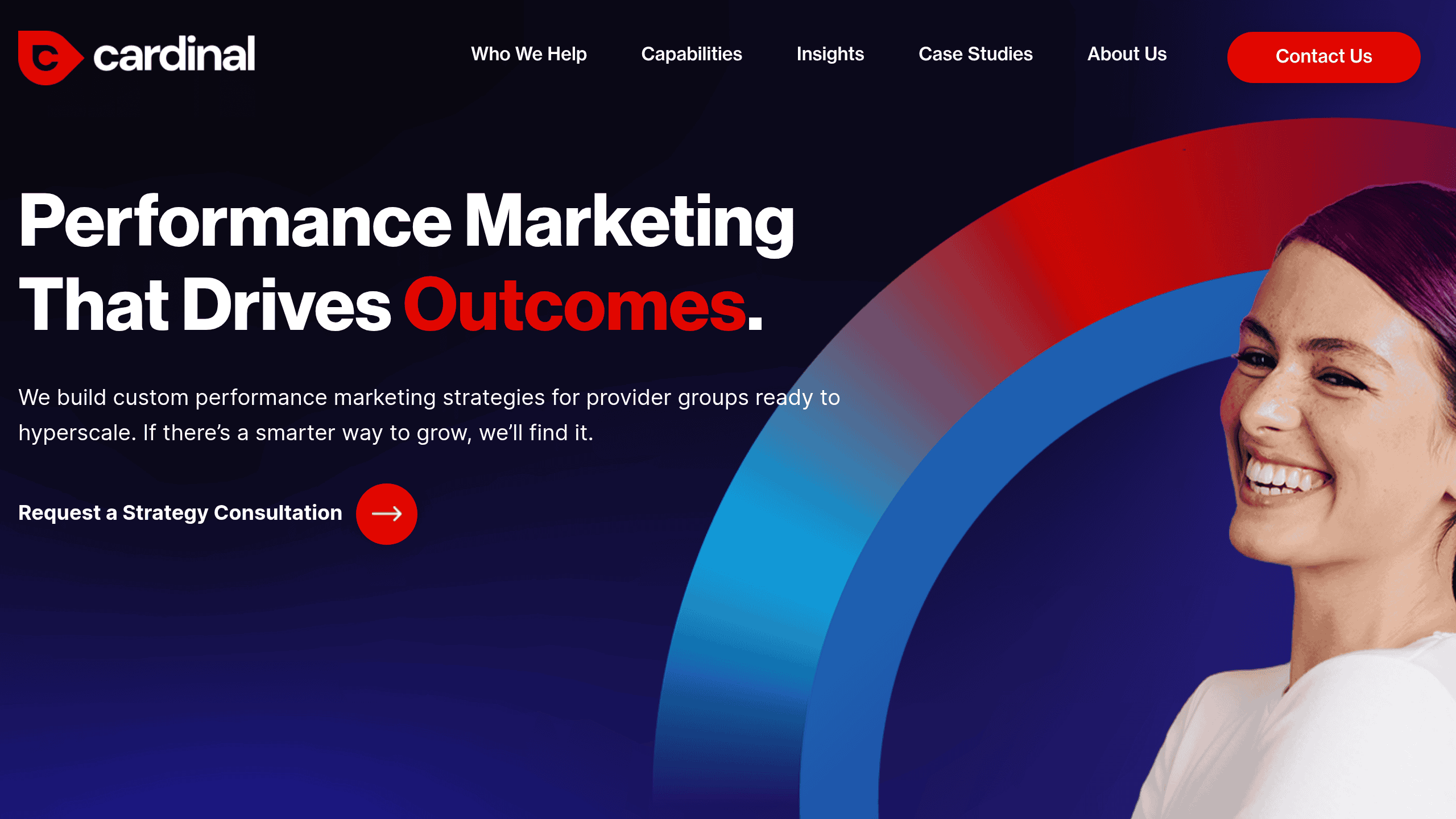
Headquarters: Atlanta, GA
Cardinal positions itself as the #1 PPC agency in healthcare. The addiction treatment book is substantial, and their published case studies are unusually transparent for the category.
Regard Recovery scaled spend by 35%, picked up 40% more leads, and improved conversion rates by 6% while keeping CPA 78% below target. The Transformations Addiction Treatment Center work is the standard reference for insurance-led ad creative.
Cardinal is strong on PPC, paid social, and full-funnel analytics for mid-to-enterprise behavioral health groups. The team understands LegitScript and runs HIPAA-aware tracking. For operators with five or more facilities and a real marketing director on the buyer side, Cardinal is one of the obvious shortlist names.
Best for: regional and multi-state BH groups with sophisticated buyer-side teams and mid-five-figure monthly retainers.
3. Ads Up Marketing
Headquarters: Florida-based, national reach
Ads Up works exclusively in behavioral health and rehab. No other industries. Over $100M in PPC ad spend managed in the space, no long-term contracts, and an audit-first onboarding. That focus shows up in how they talk about VOB workflows and policy mix rather than CTRs and impression share.
The pitch is straightforward. Month-to-month engagements. Custom landing page development if you need it. Specialization deep enough that a discovery call sounds like a peer conversation rather than a sales pitch.
For operators burned by agencies whose addiction treatment expertise was “we had a rehab client once,” Ads Up earns trust quickly.
Best for: BH operators who want a specialist with no industry split and no annual contract lock-in.
4. Behavioral Health Partners
 Homepage screenshot of Behavioral Health Partners.
Headquarters: New York
Behavioral Health Partners runs admissions-focused paid advertising across Google Ads and Meta, and the case studies they publish hit hard. One outpatient rehab client reportedly grew active patients by 900% in five months.
One California inpatient residential detox dropped CPA from over $16,000 to under $7,500 in the first Google Ads campaign. Reported 25.6% conversion rate is roughly 5x the industry average if the math is honest.
The team is BH-only, LegitScript-fluent, and explicit about the difference between leads and admits in how they report. They publish a usable PPC primer for treatment centers and explain DNI call tracking in operator language.
Best for: out-of-network facilities and single-location operators who want PPC that reports against admissions, not against form fills.
5. MGMT Digital
Headquarters: Florida
MGMT specializes in treatment centers with real ad budgets and a paid media ROI focus. The team genuinely understands addiction treatment, not just healthcare broadly. Drug rehab PPC and rehab Facebook ads are the headline services. Public materials reference policy mix and the difference between high-intent and broader funnel terms.
The agency is best fit for operators who already have a clear admissions process and need the paid side scaled, not rebuilt. Lighter on the documented full-funnel tracking infrastructure than Webserv or Ads Up, but strong on campaign management discipline.
Best for: established treatment groups with budgets in the high four-figures to low five-figures monthly.
6. Sachs Marketing Group
Headquarters: Los Angeles, CA
Sachs has worked in addiction treatment and behavioral health since 2010. That tenure produces a different kind of comfort with LegitScript than newer entrants have. The agency is known for handling certification launches end to end, including the application, the verification documents, and the Google Ads policy submissions that follow.
PPC is one service inside a broader marketing offering that includes SEO, content, and creative. For mid-market detox and residential facilities that want one agency for the full marketing stack, Sachs is a reasonable consolidated bet.
Best for: mid-market BH operators wanting an integrated PPC + SEO + content shop with deep tenure.
7. Lead to Recovery
Headquarters: Florida
Lead to Recovery covers mental health, luxury rehab, detox, inpatient, residential, and outpatient. PPC, paid social, and SEO are the core offerings.
The team understands the operational differences between mental health PPC and addiction treatment PPC, which is more useful than it sounds because Meta and Google treat those categories differently and the policy implications cascade.
The agency leans into mental health specifically more than most of the rehab-first shops, which makes them a strong fit for therapy and outpatient mental health groups that are sometimes orphaned at addiction-only agencies.
Best for: mental health and dual-diagnosis facilities, especially outpatient and luxury programs.
8. Healthcare Success
Headquarters: Irvine, CA
Healthcare Success is a Certified Google Partner with a published addiction treatment PPC practice. The agency’s reach is broader than rehab specifically. Hospitals, healthcare systems, and physician groups all show up in the client roster, which is both a feature and a limitation depending on how specialized you want your account team to be.
The PPC offering is competent and the buyer-side experience is polished. For operators who like working with healthcare-broad shops rather than rehab-only specialists, this is the obvious name in the category.
Best for: BH operators inside larger healthcare systems or behavioral health divisions of hospitals.
9. Dreamscape Marketing
 Homepage screenshot of Dreamscape Marketing.
Headquarters: Maryland
Dreamscape is a Google Premier Partner serving enterprise behavioral health groups and multi-brand networks. The infrastructure pitch is real. Marketing automation, governance for large-scale content operations, and the kind of reporting cadence that satisfies private equity backers.
The trade-off at this tier is always the same. Enterprise infrastructure tends to flatten the kind of facility-by-facility nuance that wins out-of-network admissions accounts. For multi-location groups with strong central marketing, Dreamscape is a serious option. For single-location detox operators, the model is probably overscoped.
Best for: enterprise BH networks, multi-brand groups, and PE-backed treatment platforms.
10. Stodzy Internet Marketing
Headquarters: South Florida
Stodzy is one of the longest-standing rehab-focused marketing agencies in the country. The public positioning is explicit. The agency is best suited for smaller facilities and programs with lean budgets. PPC is offered alongside SEO, content, and reputation work. LegitScript and Google policy compliance are standard.
The advantage is access. Smaller operators who would not survive a Cardinal or Dreamscape buying conversation get a real PPC engagement at a budget that matches the facility size. The trade-off is depth. The optimization layer that VOB-level tracking enables is more limited at this tier.
Best for: smaller programs, regional operators, and facilities with monthly spend in the low four-figures.
11. Web Logix Group
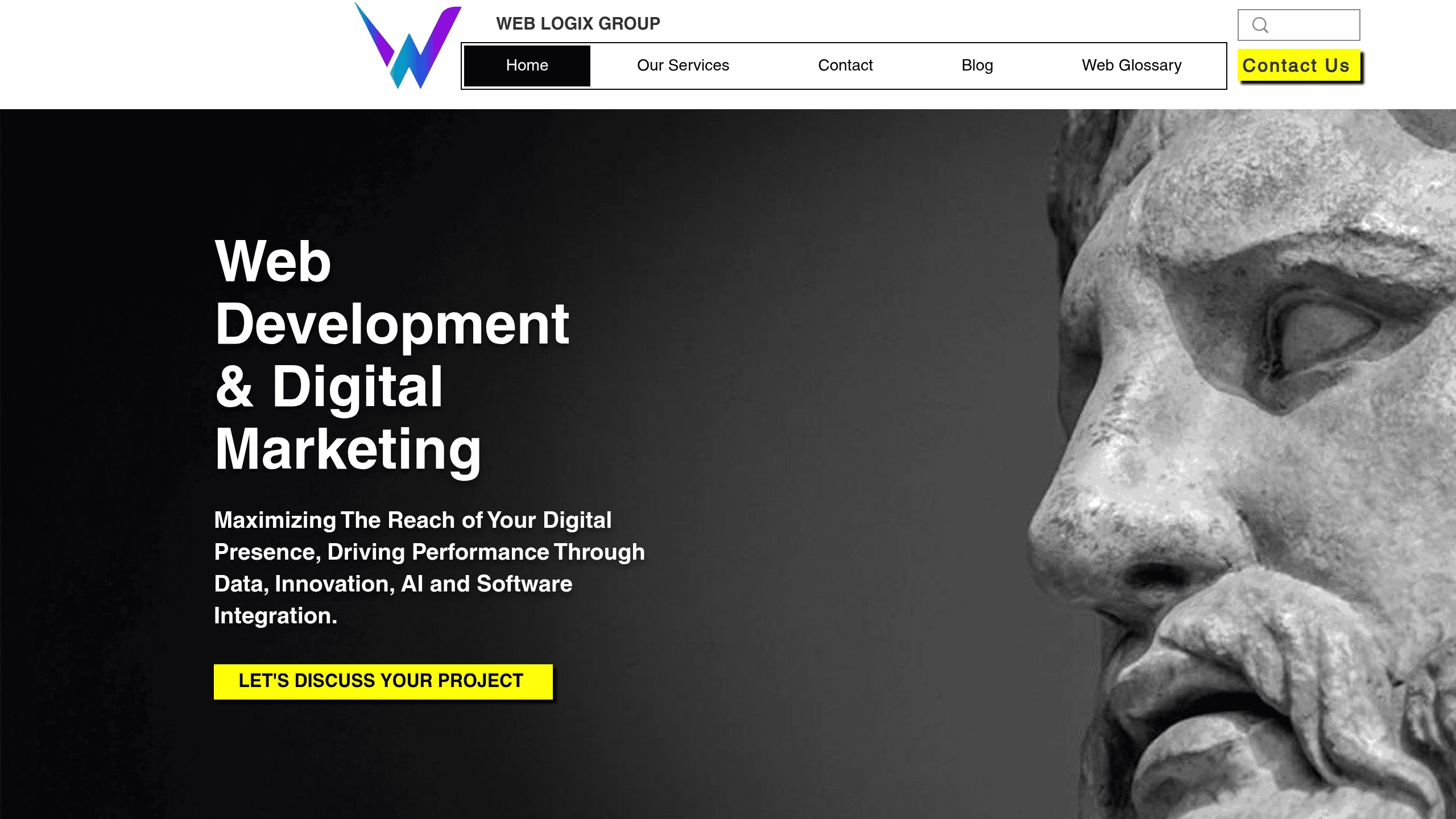 Homepage screenshot of Web Logix Group.
Headquarters: Pennsylvania (multi-state coverage)
Web Logix Group is a rehab marketing agency operating in Pennsylvania, Florida, Tennessee, and Kentucky. Published PPC results include moving cost per acquisition from $9,000 to $2,800 within three months on a client account.
The agency is regionally concentrated, which often translates into stronger local search and geo-targeting work than national shops.
Best for: regional rehab operators in the Southeast and Mid-Atlantic.
12. Bivisee
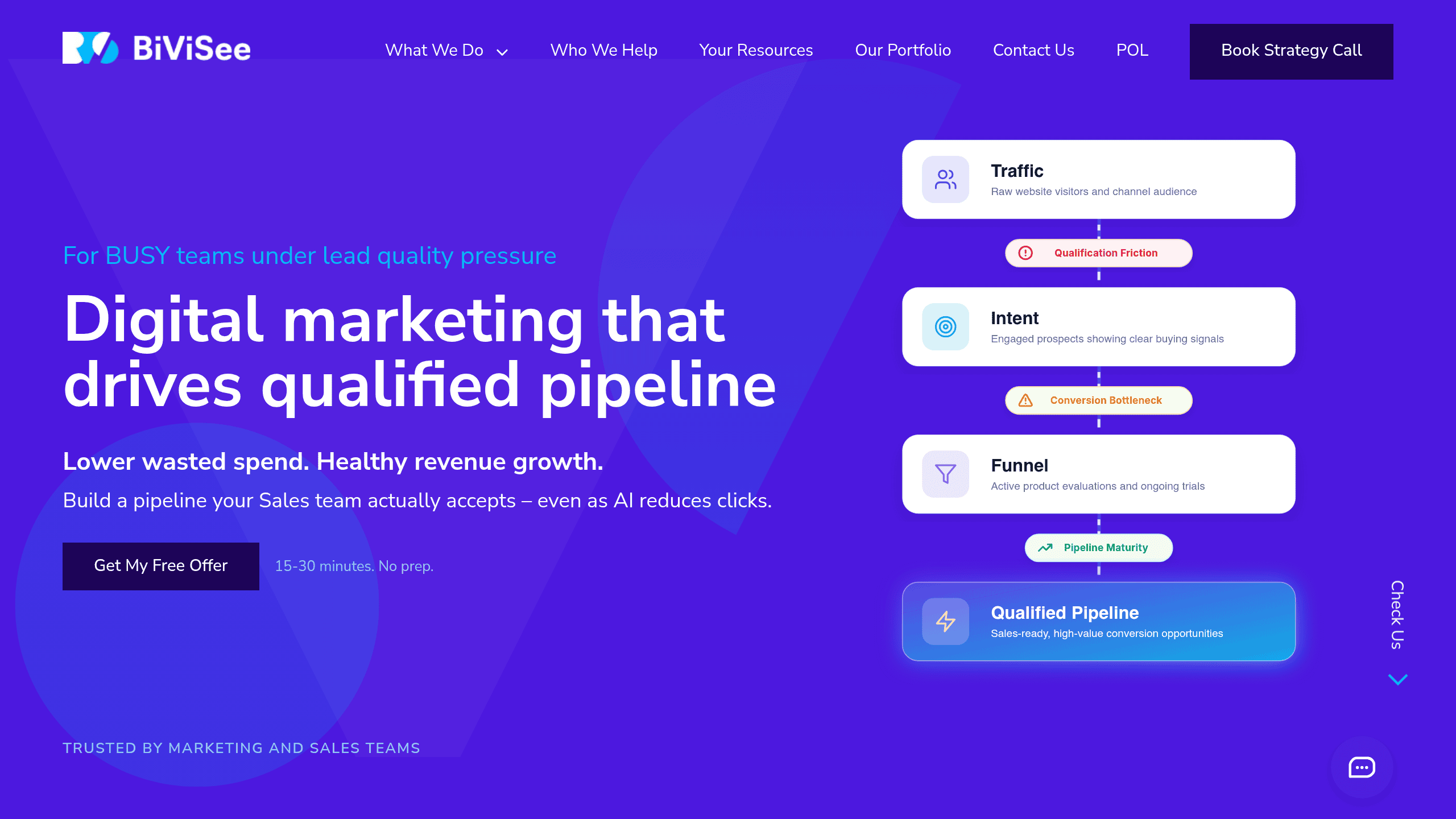
Headquarters: US-based
Bivisee runs revolutionary drug rehab Google Ads management as their headline pitch. The publicly available materials lean heavily on transformation framing rather than specific case studies, which makes the agency harder to evaluate at a distance.
But the team understands LegitScript, runs accounts day to day, and serves single-facility operators well.
Best for: smaller rehabs looking for a hands-on PPC operator without enterprise overhead.
13. Circle Social Inc
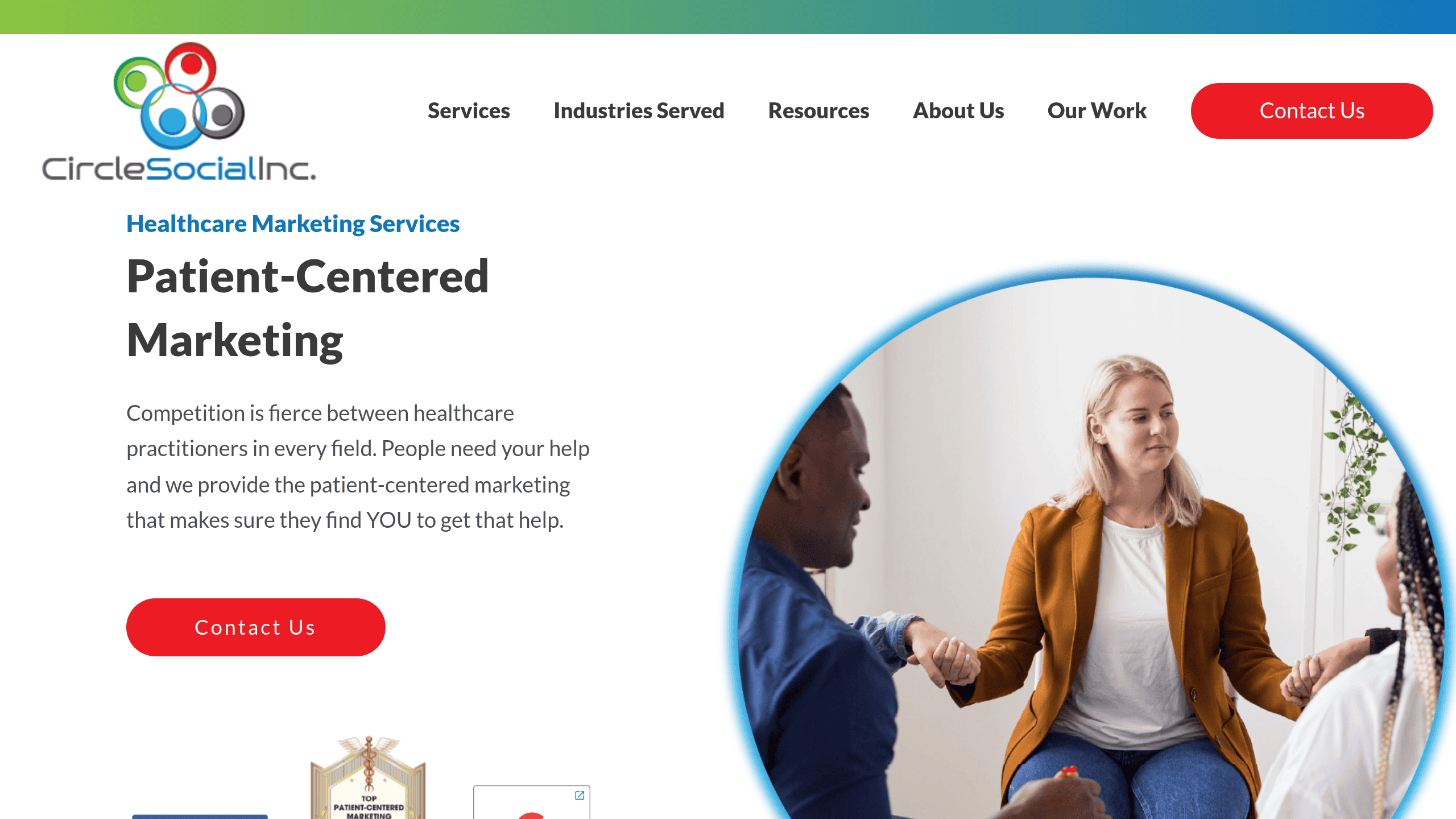
Headquarters: New York
Circle Social is a turnkey marketing agency for drug rehabs. PPC is part of a broader marketing offering that includes SEO and reputation management. The buyer profile is typically a single-facility operator who wants one vendor to handle multiple disciplines.
The strength is breadth and accessibility. The limitation is the same trade-off that all generalist BH agencies face. A specialist PPC agency will usually beat a generalist on paid search alone if the operator can manage multiple vendors.
Best for: single-location rehabs wanting one agency for SEO, PPC, and reputation.
14. Bloom Consulting Agency
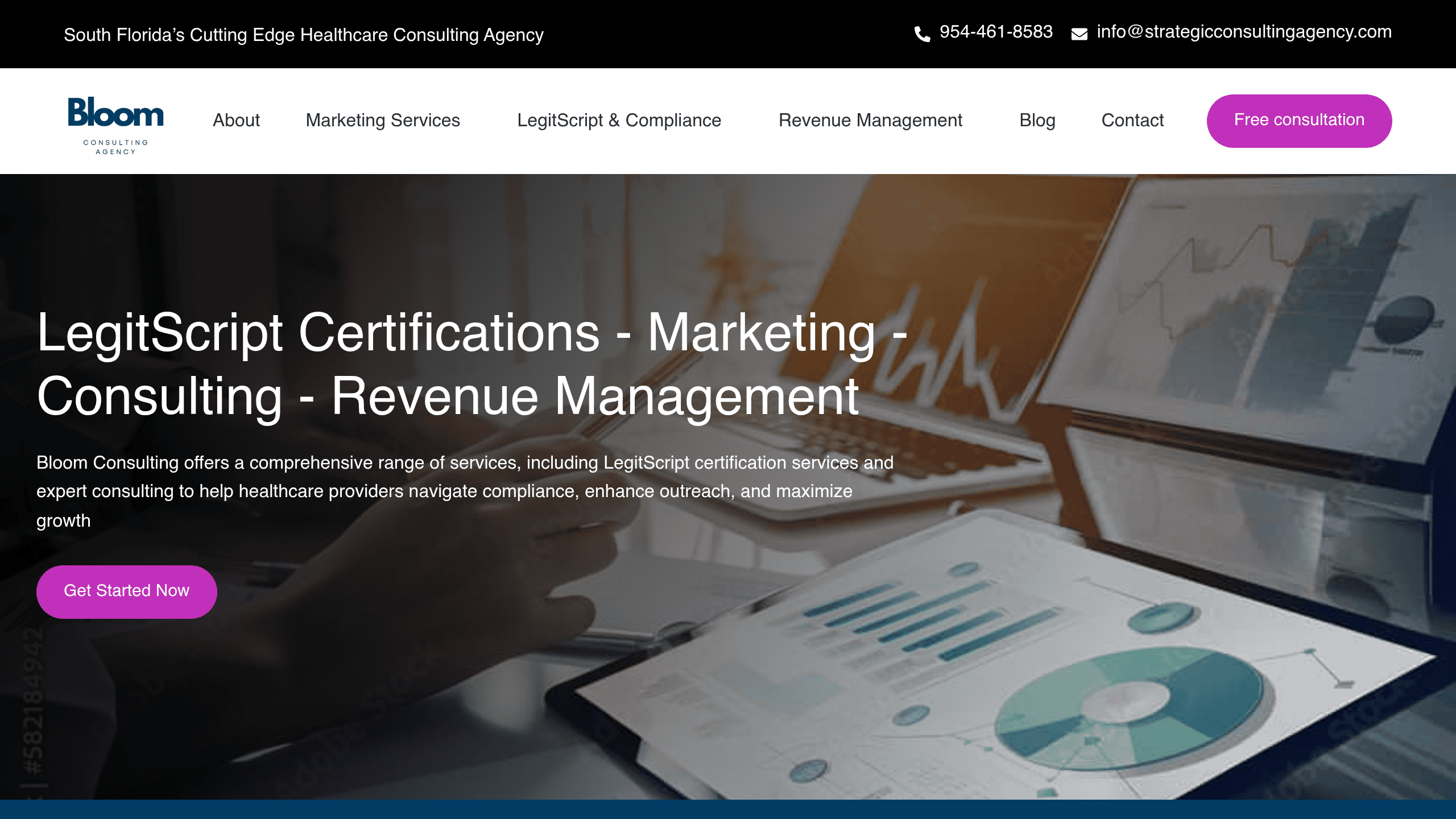
Headquarters: US-based
Bloom publishes one of the better LegitScript certification guides in the industry. That writing demonstrates real comfort with the application process, the verification documents, and the post-certification Google Ads policy disputes. For newer facilities that need certification before they can advertise at all, Bloom is a reasonable entry point.
The PPC offering itself is competent for early-stage operators. The tracking sophistication is more limited than at specialist shops.
Best for: newer facilities needing LegitScript certification and a first paid search launch.
15. Treatment Center Agency
 Homepage screenshot of Treatment Center Agency.
Headquarters: US-based
Treatment Center Agency publishes a long-form drug rehab marketing guide that doubles as a sales asset. The agency offers integrated PPC, SEO, content, and reputation. The pitch is “one agency for everything a treatment center needs to market itself.”
The model works for operators who do not want to manage multiple vendors. The trade-off is the usual generalist exposure. PPC-specific results published by the agency are more limited than at PPC-first specialists.
Best for: single-vendor operators who value consolidation over best-in-class per channel.
16. ProDigital Healthcare
 Homepage screenshot of ProDigital Healthcare.
Headquarters: US-based
ProDigital runs paid search and Google Ads management across treatment centers and broader healthcare. The team understands HIPAA-aware tracking and LegitScript posture. The published service language reads more like a healthcare-broad pitch than a rehab specialist pitch, which is accurate to how the agency is staffed.
Best for: healthcare-adjacent BH operators who want a broader healthcare agency rather than rehab-only.
17. Fuel Online
 Homepage screenshot of Fuel Online.
Headquarters: Boston, MA
Fuel Online positions itself as the leading digital marketing partner for drug rehabs, detox centers, and recovery programs. SEO is a primary offering, with paid media bundled in. The agency has been around long enough to maintain real BH benchmarks, and the leadership voice is visible in the industry.
PPC at Fuel is competent and conversion-focused. For operators who want one agency for SEO and PPC together, Fuel is a regular shortlist name.
Best for: national rehab brands wanting integrated SEO and paid media.
18. WebFX
Headquarters: Harrisburg, PA
WebFX is one of the largest full-service digital marketing agencies in the country. The healthcare vertical includes addiction treatment, and the infrastructure is enterprise-grade. Proprietary analytics platforms, large in-house teams, and clear reporting cadences.
The strength is scale. The limitation is that BH-specific nuance, especially out-of-network policy tracking, can get flattened by enterprise process. For operators who want a large agency with predictable systems and a dedicated account team, WebFX is a credible option.
Best for: enterprise multi-vertical operators who want a large agency with deep general capability.
19. Unlock Health
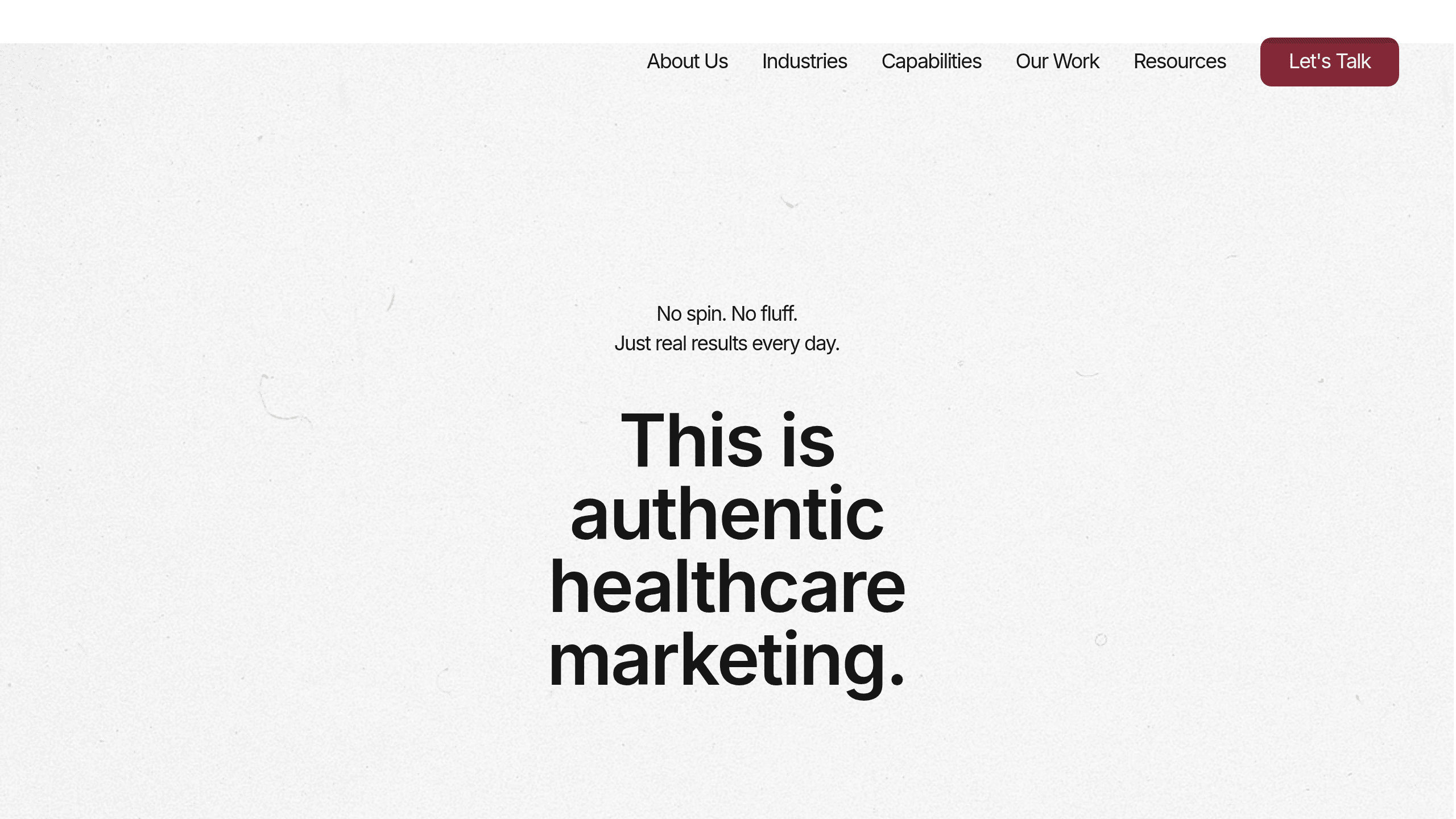 Homepage screenshot of Unlock Health.
Headquarters: Brentwood, TN
Unlock Health has worked with major treatment networks including Promises Behavioral Health and San Antonio Recovery Center. The agency offers enterprise-level digital infrastructure, marketing automation, and data systems for large organizations. Healthcare and hospital marketing is part of the broader practice.
This is the agency to call when the buyer is a PE-backed BH platform with seven or more brands and a CMO who reports to a board. It is overscoped for almost everyone else.
Best for: enterprise BH networks, hospital systems, and PE-backed treatment platforms.
20. StubGroup
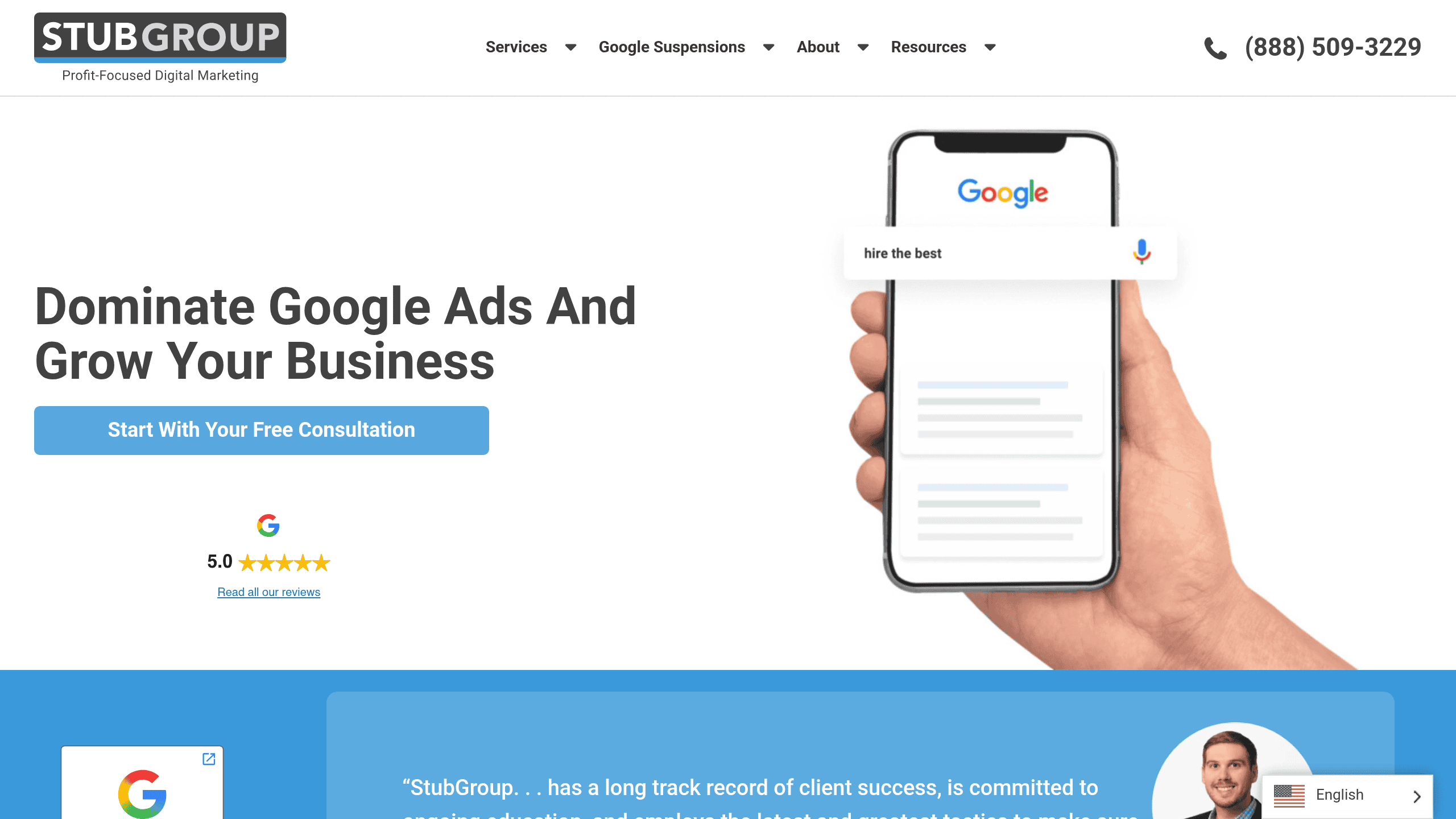 Homepage screenshot of StubGroup.
Headquarters: Texas
StubGroup is a Google Premier Partner that has generated over half a billion dollars in revenue for over 3,000 clients across many verticals. Addiction treatment is one of the categories the agency serves, and StubGroup publishes one of the cleaner LegitScript certification step-by-step guides in the industry.
StubGroup is a general Google Ads specialist rather than a rehab-only shop. For operators who value Google Premier credentials and broad PPC chops over vertical specialization, the firm is a credible alternative.
Best for: BH operators who prioritize Google Ads platform sophistication over vertical specialization.
21. Active Marketing
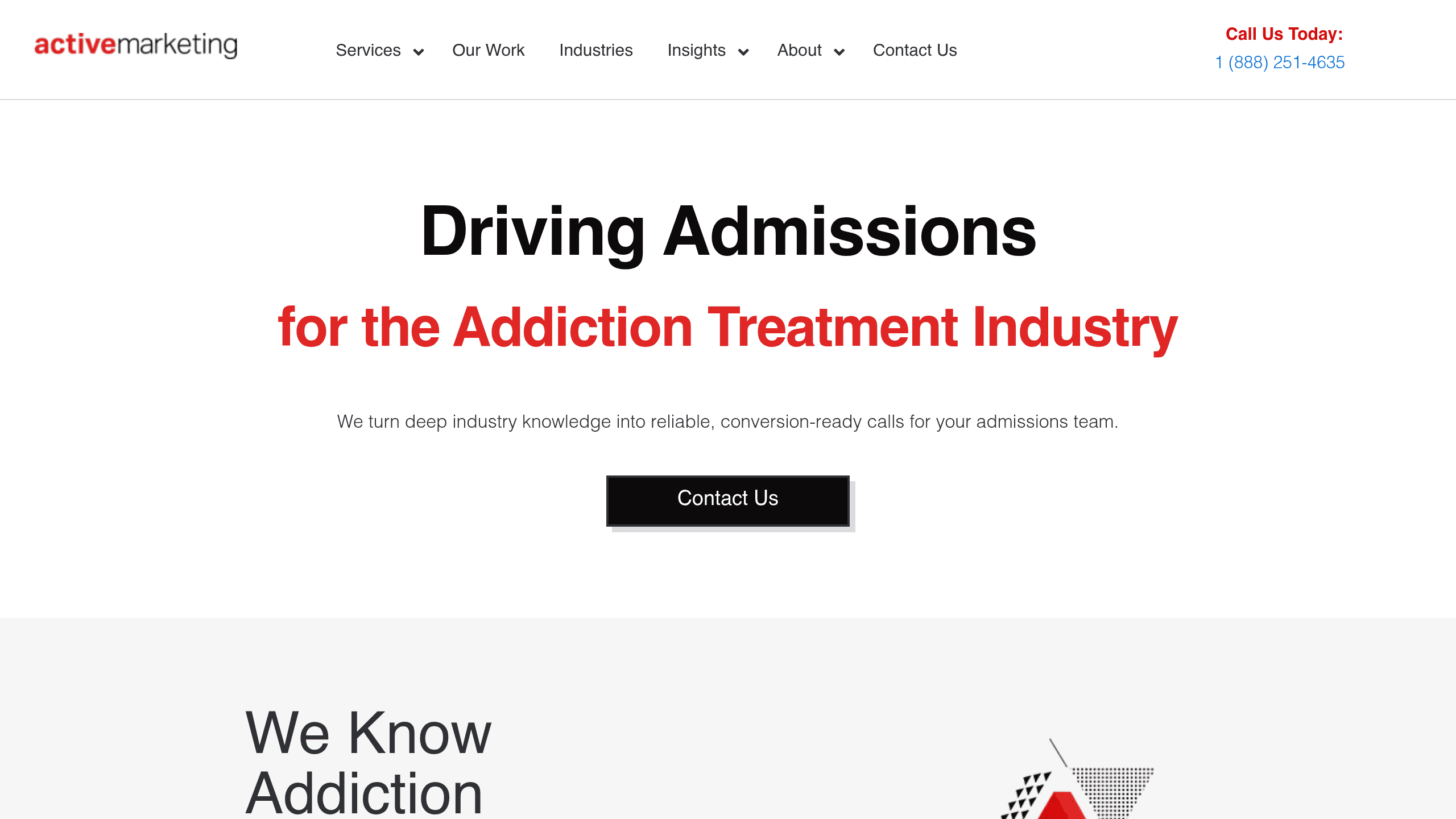 Homepage screenshot of Active Marketing.
Headquarters: US-based
Active Marketing serves regional treatment programs with straightforward digital marketing including SEO, paid media, and website work. The agency is straightforward in its positioning and accessible to smaller operators. PPC is solid for the budget tier they serve. The full-funnel tracking sophistication is more limited than at specialist shops.
Best for: regional programs with mid-four-figure monthly budgets.
22. Drug Rehab Agency
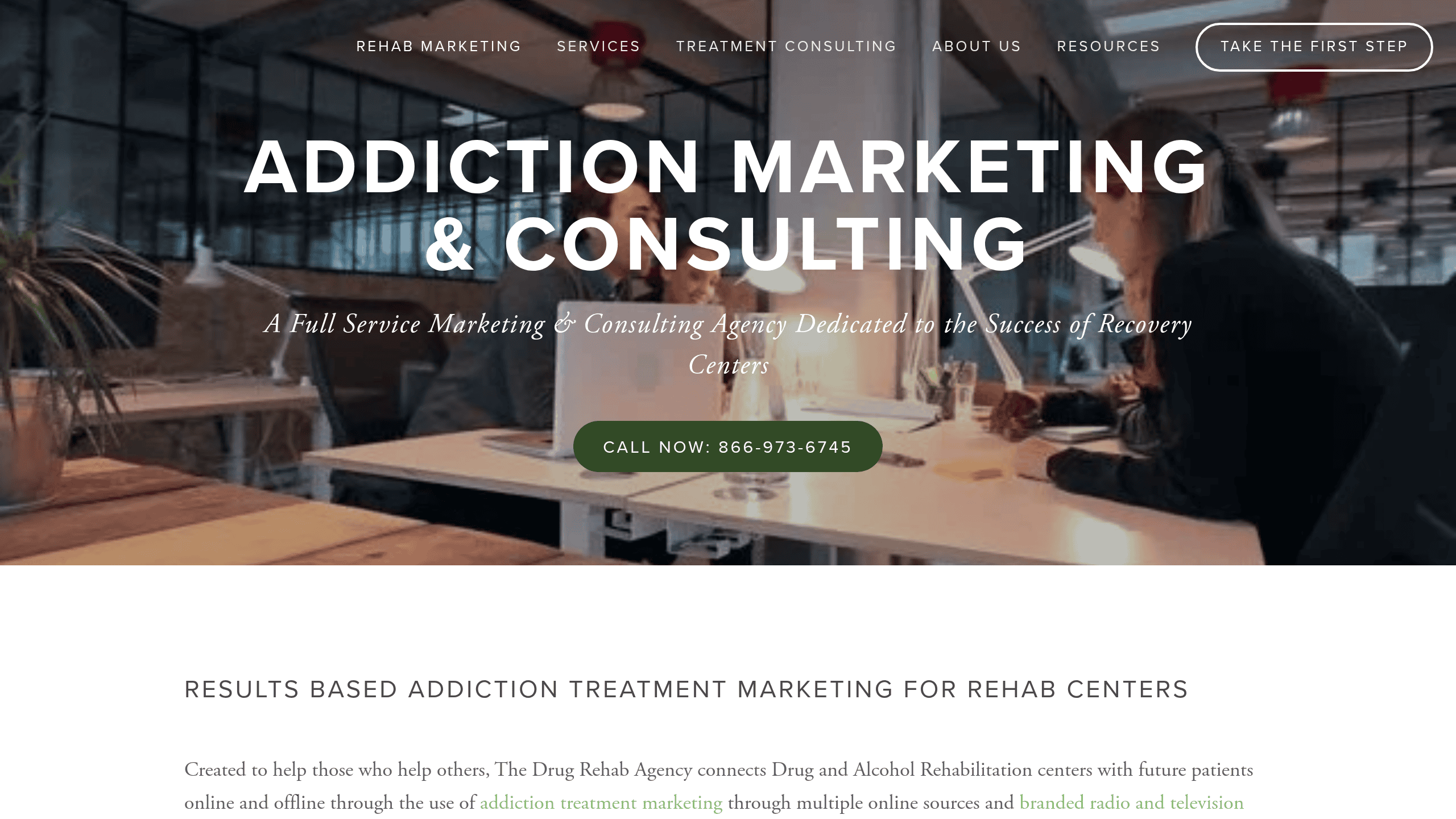
Headquarters: US-based
Drug Rehab Agency runs the best marketing agencies for rehabs playbook for rehabs and detox centers. PPC is part of a broader marketing offering. The agency serves smaller and mid-sized programs and handles LegitScript.
The published materials lean heavily on category education rather than specific case studies, which makes the agency harder to evaluate from the outside.
Best for: smaller programs needing an integrated PPC and SEO partner.
23. ForwardCare
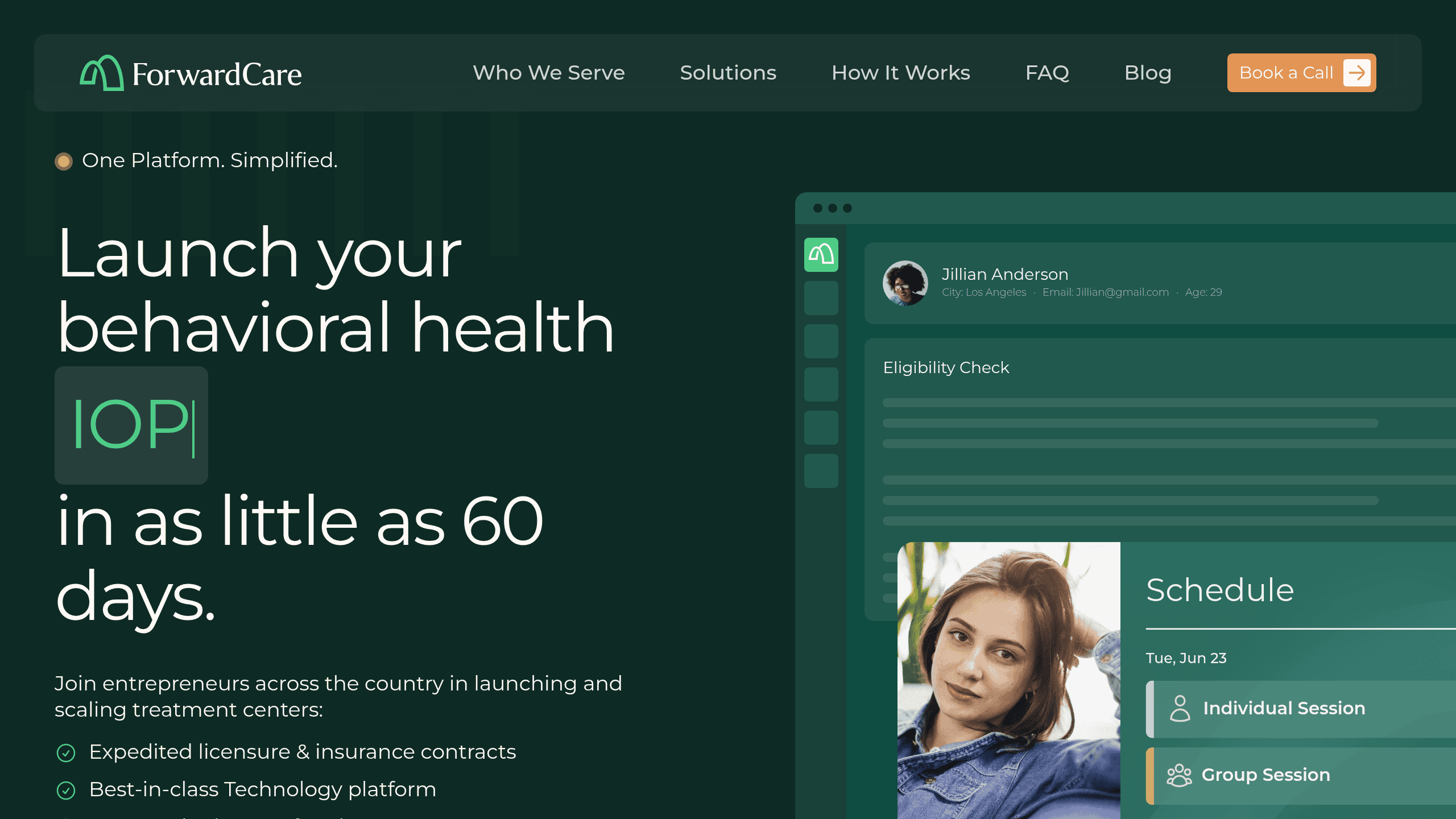 Homepage screenshot of ForwardCare.
Headquarters: US-based
ForwardCare publishes one of the better operator-facing guides on running Google Ads for a treatment center legally and effectively. The agency leans into compliance posture, which fits its likely buyer. Newer or smaller programs that need to launch correctly the first time rather than fix a broken account.
PPC execution is competent for the budget tier the agency serves. The full-funnel optimization layer is more limited than at specialist shops.
Best for: newer facilities prioritizing legal and compliance posture in their first paid launch.
24. Anytime Digital Marketing
 Homepage screenshot of Anytime Digital Marketing.
Headquarters: Tampa, FL
Anytime Digital Marketing operates a behavioral health PPC practice alongside its general digital marketing offering. The agency understands LegitScript, runs Google Ads day to day for BH clients, and publishes case studies and category content. The buyer profile is typically a single-facility operator or a smaller group.
Best for: smaller BH operators wanting a general PPC agency with credible behavioral health experience.
25. Mental Health Ads
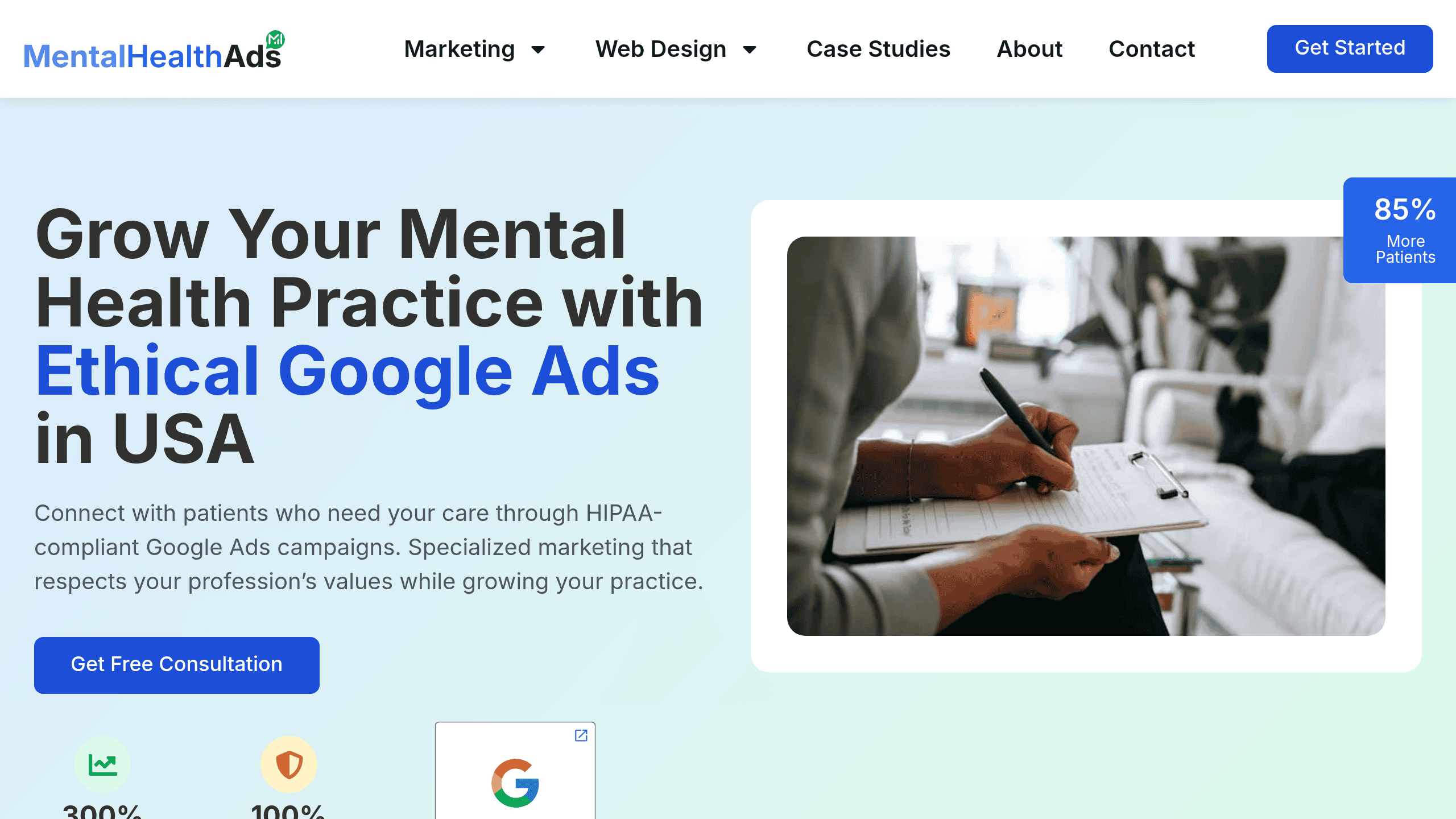 Homepage screenshot of Mental Health Ads.
Headquarters: US-based
Mental Health Ads is a specialist agency for therapists, mental health practices, and addiction recovery providers. HIPAA-compliant lead form design and tracking are part of the standard pitch.
The agency emphasizes therapy and mental health more than detox and residential, which makes it a strong fit for therapy practices, outpatient mental health, and dual-diagnosis groups whose primary admit profile is mental health rather than SUD.
Best for: therapy practices, mental health groups, and outpatient programs with a mental health primary admit profile.
What separates a good paid media agency in this space
After a decade of running paid search for treatment centers, a few patterns hold. They are useful as a checklist when you talk to any agency on this list, including ours.
1. They track VOB, not just leads
The lead is a form fill or a call. The VOB is the verification of benefits that says this person has insurance the facility can bill. For out-of-network facilities, the VOB on a private (non-Medicaid) policy is the only signal that matters.
Optimizing toward leads will pour budget into the patient population the facility cannot accept.
Ask the agency how they pass VOB data into Google Ads. If the answer is “we report it offline,” call that reporting and not full-funnel optimization.
2. They know the 35% search impression share ceiling
In behavioral health, search results begin to diminish past roughly 35% impression share. The reason is the insurance policy filter. Pushing budget past that ceiling inflates CPCs without adding viable admits. Better paid media agencies will recommend geographic expansion before they recommend more spend.
Ask the agency where the ceiling is in your market. If they don’t have a number, they don’t have the data.
3. They use weighted conversion values, not just conversion counts
Maximize Conversion Value bidding respects the difference between a $200 form fill and a $2,000 VOB. Max Conversions bidding does not. Both are real bidding strategies. Only one of them aligns Google’s algorithm with the facility’s revenue model.
Ask the agency which bidding strategy they default to. If the answer is Max Conversions across the board, that is a clue.
4. They know LegitScript end to end
LegitScript certification is gating, but the post-certification policy disputes are where most paid accounts break. Google’s Healthcare & Medicines reviewers flag legitimate ads regularly. The agency needs to know how to dispute the flag without resetting the account.
Ask the agency how many policy disputes they handled last quarter. If the answer is zero, either the accounts are too small to flag or the agency does not know how to dispute.
5. They are honest about which platform restrictions actually bind
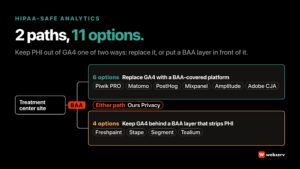
There is no retargeting in Google for healthcare addiction clients. Customer data from health and medical information cannot be used for audience matching. Meta’s personal attributes policy bars ad copy that asserts or implies a viewer’s health condition, including addiction. The Meta-side patterns are in our HIPAA-compliant Facebook ads guide and the headline-language patterns are in our compliant ad headlines guide.
Ask the agency to explain how the restrictions apply to your facility specifically. If the explanation sounds generic, the work will be too.
6. They know when paid media is not the problem
When admissions are soft, more than half the time the ads are a contributing factor. Close to half the time, the admissions team’s process is also a factor.
A good paid media agency is willing to say “the leads are fine, the close rate is the problem” when the data points that way. A weak agency will quietly increase spend and hope.
Ask the agency how they isolate paid media performance from admissions process performance. If they cannot, the diagnostic is guesswork.
If you have gotten a cost per admit quote under $5,000, ask one question first: is that INN or OON?
Most agencies quote cost per admit using in-network facility data where insurance covers most costs and admit thresholds are lower. Out-of-network facilities operate under completely different conditions. Comparing those numbers is like comparing apples to surgery. It is the most common way agencies make their results look better than they are. Our 2025 benchmark report shows you what the real numbers look like across OON treatment center campaigns so you know what to ask.
Common buyer mistakes when shopping paid media agencies
A handful of patterns we see operators repeat when picking an agency.
1. Picking on case study CPL alone. A $4,200 CPL at a Florida detox and an $1,800 CPL at a Pennsylvania outpatient are not comparable numbers. Without policy mix and close rate context, CPL is theater.
2. Discounting the agency that says less is better. Operators get a lot of pitches that promise to scale spend. The agency that says “your admissions team can’t handle your current volume, let’s spend less and improve quality” is usually telling the truth and getting passed over.
3. Buying on retainer size, not on tracking depth. A $4,000/month retainer with VOB-level tracking will outperform an $8,000/month retainer with form-fill optimization most months. The retainer is not the cost driver. The wasted ad spend is the cost driver.
4. Assuming a healthcare-broad agency will translate. Family medicine and SUD are not the same advertising problem. Plastic surgery and detox are not the same advertising problem. The vertical depth matters.
5. Skipping the LegitScript audit. Treatment centers regularly buy paid media engagements without verifying the agency’s LegitScript fluency. The first policy dispute exposes the gap.
6. Mistaking volume for performance. Lead volume feels like progress. Lead quality is progress. Admissions teams that burn out on low-intent calls close fewer of the good ones.
30 minutes to talk through your census goals, payer mix, and what a realistic growth plan looks like for your facility.
No pitch. No pressure. Just a straight conversation from a team that has worked with 200+ treatment centers nationwide.
Frequently asked questions about hiring a Google Ads agency for addiction treatment
What does LegitScript certification actually mean for our agency choice?
LegitScript Healthcare Merchant Certification is required by Google, Microsoft (Bing), and Meta before any treatment center can serve ads on those platforms. An agency that cannot get your facility through certification, or maintains it through annual renewal cycles, cannot run your paid search account. The cert is the gate that has to clear before anything else matters.
Beyond the cert itself, agencies should be tracking platform-level certification changes that occasionally require operational adjustments mid-cycle. LegitScript pushed a documentation update in late 2025 that caught a wave of facilities off-guard. Agencies with mature compliance pipelines saw the change in advance. Agencies without missed it and watched accounts get flagged.
When evaluating an agency, ask: how many of their current treatment center clients are LegitScript-certified, and what was the failure rate on first submission. A specialist agency answers with specifics. A generalist agency typically refers you to a third-party compliance vendor and stays out of the certification process, which is a flag for whether they understand the vertical.
What is the conversion that should actually drive our Google Ads campaigns?
The conversion that matters at a treatment center is verified policy via VOB, not the initial form fill or phone call. A Google Ads account optimizing against raw lead volume is feeding the algorithm the wrong signal. Two leads with the same form fill behavior can represent $0 of recoverable revenue and $2,000+ per day of residential reimbursement depending on the policy on the back end.
The right account setup uses weighted conversion values: a baseline value for a new lead, a higher value for a VOB on a private policy, and the highest value for an approved VOB that clears the facility’s clinical criteria. Maximize Conversion Value bidding then optimizes toward the leads that produce actual revenue, not the leads that produce form fills.
For the full pattern see our conversion tracking guide for addiction treatment Google Ads. The agencies running real measurement infrastructure here are visible quickly because they can explain weighted conversion values and reference the specific values they use on real client accounts.
What is the 35% search impression share ceiling, and why does it matter for budget?
In most treatment center markets, paid search saturates somewhere around 35% search impression share. Past that threshold, additional budget produces inflated CPCs without additional viable policies, because the marginal traffic comes from less qualified search terms or competitors aggressively bidding up the auction. Beyond the ceiling, the right move is geographic expansion, not bigger budget in the same footprint.
This pattern is per-market and per-service mix. Detox SIS ceilings differ from residential SIS ceilings. Multi-location operators run different ceilings per location depending on competitive density. A specialist agency knows where the ceiling sits per market because they have data across multiple facilities. A generalist agency will spend past the ceiling and report rising CPCs as a market dynamic.
When evaluating an agency, ask whether they have ever turned away a budget increase from a client on the basis of SIS saturation. The right answer is yes, with a specific case study. The wrong answer is a generic “we always recommend scaling carefully.”
How long should it take to see results from a Google Ads agency switch?
Most treatment centers see admit volume from a new Google Ads agency within 60 to 90 days when the agency is well-matched. The first 30 days are typically diagnostic: account audit, conversion tracking rebuild, LegitScript verification, and creative reset. Days 30 to 60 see the new account structure produce data. Days 60 to 90 see the algorithm calibrate to the new conversion event definitions.
Agency switches inside a critical census quarter are risky. The relearning period suppresses conversion volume in the first 30 to 45 days while Google’s algorithm re-trains on the new conversion signal. Programs that switch agencies in a slow month and run dual-agency overlap for 2 to 4 weeks usually transition more cleanly than programs that switch cold.
The cleanest signal that the switch was correct is the cost-per-admit comparison at day 90 against the trailing 90-day baseline. If the cost-per-admit is at parity or better with the cleaner tracking and reporting infrastructure in place, the foundation is built for compounding gains in months 4 to 12.
What is the bare-minimum operational bar an agency must clear before they can run our account?
Five hard requirements. LegitScript certification operational and maintained. HIPAA-compliant conversion tracking architecture in place (not just the Meta pixel or Google’s standard conversion tag). Weighted conversion values configured against verified VOBs. LegitScript-compliant ad copy patterns documented and used. Specific behavioral health policy knowledge demonstrable in account audit conversations.
Agencies missing any of the five should not be running a treatment center Google Ads account regardless of how strong their generalist track record is. The cost of bringing them up to par usually exceeds the cost of switching to a specialist agency, and the lost-admit risk while they learn the vertical is meaningful.
The conversation we recommend in the first agency interview is a structured audit of the five against the agency’s current client roster. Specific named clients with each capability operational is the right answer. Generic “we have experience in this category” is the wrong answer.
The hot take to close on
Most operators in this category are paying for paid media campaigns. They should be paying for paid media outcomes. The campaign is a means. The admit is the end.
The agency that frames the engagement as “we’ll manage your campaigns” is selling a different product than the agency that frames the engagement as “we’ll deliver private-policy VOBs at your target cost.” Read every agency proposal you receive with that distinction in mind.
It will narrow your shortlist faster than any feature comparison.
If you want to talk through whether Webserv is the right fit for your facility, book a discovery call. If we’re not the right fit, we’ll tell you which agency on this list probably is.
Mitch Marowitz is the Director of Paid Admissions at Webserv. Webserv works with behavioral health and addiction treatment centers on paid media, SEO, and full-funnel admissions strategy.